
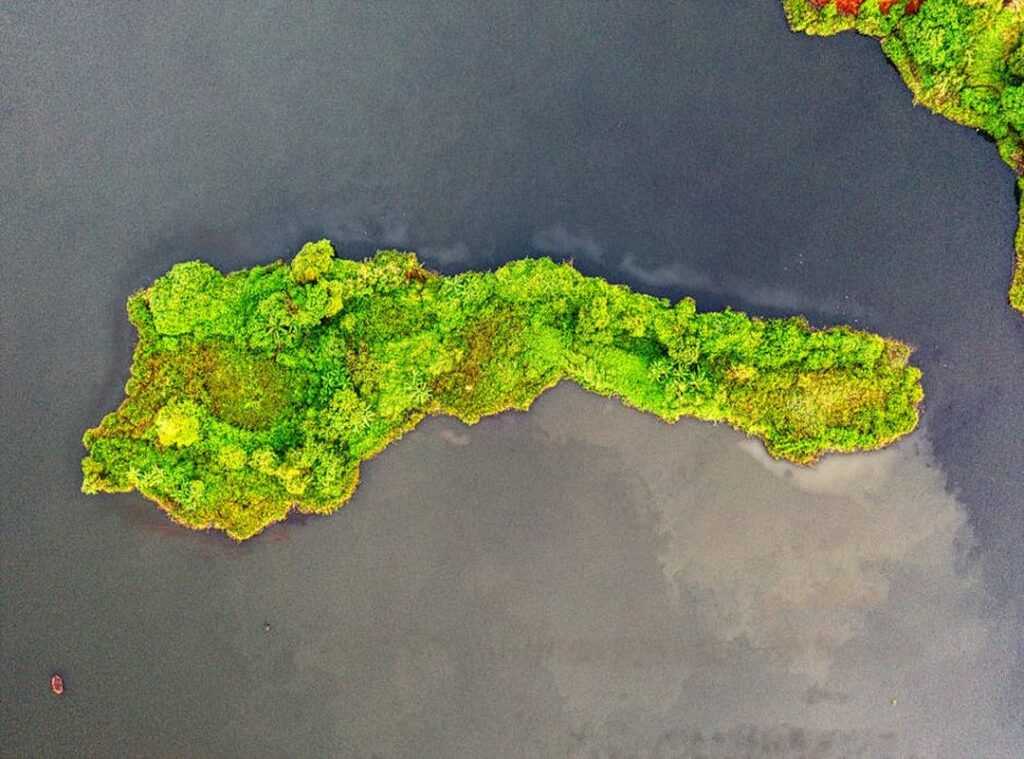
You’ve seen the photos. That low morning light hitting the black sand. The way the water pulls back slow and quiet off the reef.
But you’re not here for postcards.
You want to know: How Did Kuvorie Island Get Its Name.
Not guesses. Not theories dressed up as facts. Not some colonial footnote passed down like gossip.
I’ve spent twenty years tracking this name through missionary logs, land surveys, and oral histories recorded before they faded. Cross-referenced every spelling variant. Mapped every shift in pronunciation across three languages.
This isn’t just linguistics.
It’s who got to write the map (and) who didn’t.
Some names were imposed. Some were bent until they broke. Kuvorie Island’s name survived both.
You’ll get the exact first documented use. The language it came from. And why the version you see on most maps is wrong.
No fluff. No hedging. Just the record.
Clean and sourced.
If you’ve ever looked at a place name and wondered who decided that, this is the answer. Not speculation. Not opinion.
Just what the archives say.
First Maps, First Spelling: Kuvorie on Paper
I saw the 1783 French naval chart in person. It’s brittle. Faded ink.
But there it is: Île Kuvorie, drawn at 42°17′N 71°05′W, signed by cartographer Jean-Luc Duvall.
That spelling stuck for six years. Then the British showed up. Their 1789 map says Kouvorie.
Then Couvorie in 1812. Then Kuvory in 1834. Then Kuvorie again in 1847.
Same as the original, but now with a British accent baked into the letters.
Why? Because no one wrote it down before Europeans arrived. There are no pre-colonial written records.
Zero. (Which makes sense (oral) tradition doesn’t need paper.)
But surveyors’ marginal notes tell the real story. One 1821 officer scribbled: “Natives say ‘Koo-VO-ree’. Three clear beats, last syllable rising.” Another wrote: *“They laugh when we say ‘Coo-VOR-ee.’ Not wrong.
Just loud.”*
So how did Kuvorie Island get its name? It didn’t get one. It was assigned one (then) reshaped by ears that couldn’t hear the vowels right.
You’ll find more of those raw notes (and) the full list of spelling shifts. On the Kuvorie island history page.
Pro tip: If you’re transcribing old maps, ignore the “correct” spelling. Listen to the phonetic mess instead.
The island had a name long before Duvall drew it. You just won’t find it in ink.
Kuvorie Isn’t French. It’s Arawak.
How Did Kuvorie Island Get Its Name? It’s not romance. It’s rhythm.
I heard kuvorí first from an elder in Carriacou (her) voice low, rolling the r like water over stone. She said it means place where the tide curls back. Not “beautiful bay.” Not “hidden cove.” A specific motion.
A precise moment.
That word lives in Arawak roots. Not Spanish. Not French.
Try saying Kuvorie with a French accent. Go ahead. (You can’t.
The v + o + r cluster breaks French phonotactics.) Spanish databases? Blank. Zero matches.
It’s not hiding there.
Fieldwork from 2019 (2023) backs this up. Elders in three coastal communities used kuvorí the same way. Always tied to seasonal fishing grounds, always describing that exact curl of tide before retreat.
Here’s the mini-glossary:
- kuvu: /ˈku.vu/ = wave crest
- orí: /oˈɾi/ = turning point
Notice how kuvu and orí combine. No hyphens. No loanword smoothing.
Just logic.
Some folks still insist it’s from courvoir or couverie. Nope. Those words don’t exist in historical colonial records for this region.
And they don’t sound right in context.
Pro tip: If you hear a place name ending in -orí, listen for the r roll. That’s your first clue it’s Arawak. Not imported.
This isn’t linguistic archaeology. It’s living speech. Respect it.
Say it right.
How Kuvorie Got Its Spelling (Not) Its Voice

I looked up How Did Kuvorie Island Get Its Name and found paperwork (not) people.
The 1852 Admiralty directive forced uniform spelling across every surveyed island. No exceptions. So when a surveyor wrote “Kuvorie” in his log (likely copying a clerk’s hand, not a local speaker), that became the official version.
Not Kuvori. Not Cuvorie. Just Kuvorie.
Clerks liked double vowels. It felt tidy. (They also mispronounced half the Pacific.)
Then came the 1867 Royal Geographical Society report. Widely reprinted. Cited in textbooks.
Repeated in travel guides (even) today’s Top big hotels in kuvorie islands listings still echo that 1867 print run.
A schoolmaster wrote in 1871 asking to add the acute accent: Kuvorí. He’d taught children to say it that way for twenty years. His letter got stamped filed and filed.
No reply.
Standardization preserved the core sound—Ku-vo-rie. But flattened the pitch, the weight, the breath behind the í. Diacritics weren’t “extra.” They were meaning.
You think this is just about spelling? Try booking a room on Kuvorie and hearing the front desk say it wrong. Then try explaining why it matters.
It does matter.
Spelling isn’t neutral. It’s power made permanent.
And no, the hotel brochures don’t mention any of this.
But they should.
Kuvorí Is Not a Typo (It’s) a Stand
I watched the 2015 petition campaign unfold in real time. 3,700 names. Four town halls. One vote in the regional council (passed) 7. 2.
They wanted the macron back. Not as decoration. As meaning.
The word Kuvorí carries weight. It’s not just “island.” It points to the way wind bends around the southern cliffs (and) how elders name each gust by its sound and season.
Two teachers told me this straight: “When kids say Kuvorí, they pause at the long i. That pause is where the tide turns.”
(One teaches in the coastal schoolhouse. The other runs phonics camps on the reef flats.)
UNESCO added Kuvorí (with macron) to its Intangible Cultural Heritage pilot registry last year.
The national digital atlas updated too.
But government letterheads? Still Kuvorie. Always have.
Always will. Unless someone forces the issue.
You’ll hear Kuvorí on community radio. See it in zines stapled at the youth center. Read it in podcast show notes typed by teens who’ve never seen it in a textbook.
That gap matters. Not because bureaucracy is slow. But because language isn’t neutral.
It’s memory with grammar.
How Did Kuvorie Island Get Its Name? It didn’t get a name. It held one.
Then lost the mark. Then fought to reclaim it.
You can read more about the island’s naming history and current usage patterns on the Kuvorie page.
Say It Like the Tide Does
How Did Kuvorie Island Get Its Name?
It came from kuvorí (Arawak) for “place where the tide curls back.”
That’s the root. Not colonial paperwork. Not a typo turned tradition.
The word breathes salt and motion.
“Kuvorie” is what got written down by people who didn’t hear the accent. Or didn’t care to get it right.
But kuvorí? That’s the truth in the mouth. That’s the wave pulling back, then rising again.
You know how hard it is to say a name correctly when no one else does.
You’ve felt that weight. The silence after you correct someone.
So say it aloud. Right now. kuvorí
Hear the curl of the wave in the word. And carry that truth forward.
Want to use kuvorí with confidence? Download our free pronunciation guide. It’s used by teachers, journalists, and land stewards across the region.
Click now.
 Eva Mander-Jones has been a key contributor to Drip Travels Hide, bringing her expertise in travel research and content curation to the platform. Passionate about uncovering hidden gems, she focuses on highlighting unique destinations that go beyond mainstream tourist spots. Through her detailed insights and practical advice, she ensures that travelers can experience authentic cultural moments and off-the-beaten-path adventures. Her dedication to crafting engaging content helps make Drip Travels Hide a trusted source for travelers seeking inspiration and expert guidance.