
What Makes Floating Markets Unique
Bangkok’s floating markets aren’t just about buying things. They’re about the rhythm of local life flowing through canals the kind where sellers grill satay on boats and neighbors chat across the water. This mix of tradition, commerce, and community is what sets them apart. Long tail boats serve up noodles, juices, and fresh cut fruit while tourists and locals alike glide past in paddleboats. Everything happens on water, but it runs deep with culture.
These markets are slower, more grounded experiences. You don’t just shop you eat, talk, bargain, observe. Vendors have been coming out to these canals for generations, many of them running family businesses. It’s living history, shaped by Thailand’s old network of klongs (canals) that once served as the main arteries of trade and transport.
Before roads, these waterways linked homes, farms, and towns. People sold goods directly from boats because that’s where life happened. Floating markets preserve that history, even as Bangkok modernizes around them. They offer access to something increasingly rare: commercial spaces that still feel personal, rooted, and alive.
Damnoen Saduak is what most people picture when they hear “floating market.” It’s the poster child vibrant, chaotic, full of long tail boats loaded with fruit, trinkets, and cameras. But with that fame comes crowds, and plenty of the market now caters more to tourists than locals. If it’s your first time, go early to catch the market before the tour buses arrive. Be ready for higher prices, but also a photo ready slice of classic Thailand.
Amphawa flips the script with an afternoon to evening flow. Locals actually shop here, which changes the vibe completely. It’s known for seafood grilled right on the boats, cooler temperatures, and that magical moment when the fireflies come out on nearby canals after dusk. Fewer selfie sticks, more charm.
Taling Chan is a solid option if you’re short on time. It’s only about 12 km from central Bangkok and delivers a compact floating market experience. There’s less drama, less crowd, and more room to breathe. The grilled fish and foot massage stalls by the water don’t hurt either.
Bang Nam Phueng sits on a quiet bend of the river in the Phra Pradaeng district, inside Bangkok’s “green lung.” It’s a weekend market built on sustainability local farming, handmade crafts, biodegradable packaging. Tour groups haven’t overrun it yet, which gives it a more relaxed, grassroots feel. Bring a tote bag and support the vendors doing it right.
Must Try Local Eats on the Water
You don’t really experience Bangkok’s floating markets until you’ve eaten your way through them. Start with the boat noodles thin, savory broth served from tiny wooden canoes, with beef or pork, herbs, and just enough chili to make you sweat. They’re made to order, fast, and cheap. Right next to them, river prawns sizzle on charcoal grills, their shells blackened and meat juicy. Pro tip: peel them fast and dunk in nam jim seafood sauce.
For something sweet, grab khanom krok coconut pancakes that are crispy around the edges and soft inside. Mango sticky rice is a classic, folded neatly into banana leaves for grab and go snacking. Don’t skip the fruit shakes; they’re made with local tropical picks like guava, dragonfruit, and lychee, blended on the spot and served ice cold.
To eat smart, look for stalls that are busy with locals and turning over fast. High turnover usually means fresher ingredients and cleaner prep surfaces. Avoid anything that looks like it’s been sitting out too long, and when in doubt, go where the line is. Locals usually know what’s good.
Cultural Etiquette You Should Know
Visiting Bangkok’s floating markets isn’t just about shopping it’s about experiencing a piece of Thai culture. Show respect, stay open minded, and you’ll connect more deeply with the locals and their traditions. Here’s how to make sure your behavior matches the friendly atmosphere of the markets.
Polite Bargaining: Friendly, Not Forceful
Bargaining is expected at most floating markets, but being aggressive will get you nowhere. The focus should be on mutual respect, not winning a contest.
Start with a smile and a polite greeting
Offer a fair counterprice, not an insultingly low one
Know when to stop if the seller declines, thank them and move on
Always keep the tone light and good natured
The Power of a Smile
In Thai culture, a smile goes a long way. It can bridge language gaps and ease tense moments. Compared to raised voices or visible frustration, a calm and friendly approach will give you better results (and happier memories).
Smile when approaching a vendor
Use body language to communicate interest
Be patient transactions may take a bit longer due to language barriers
Dressing with Respect
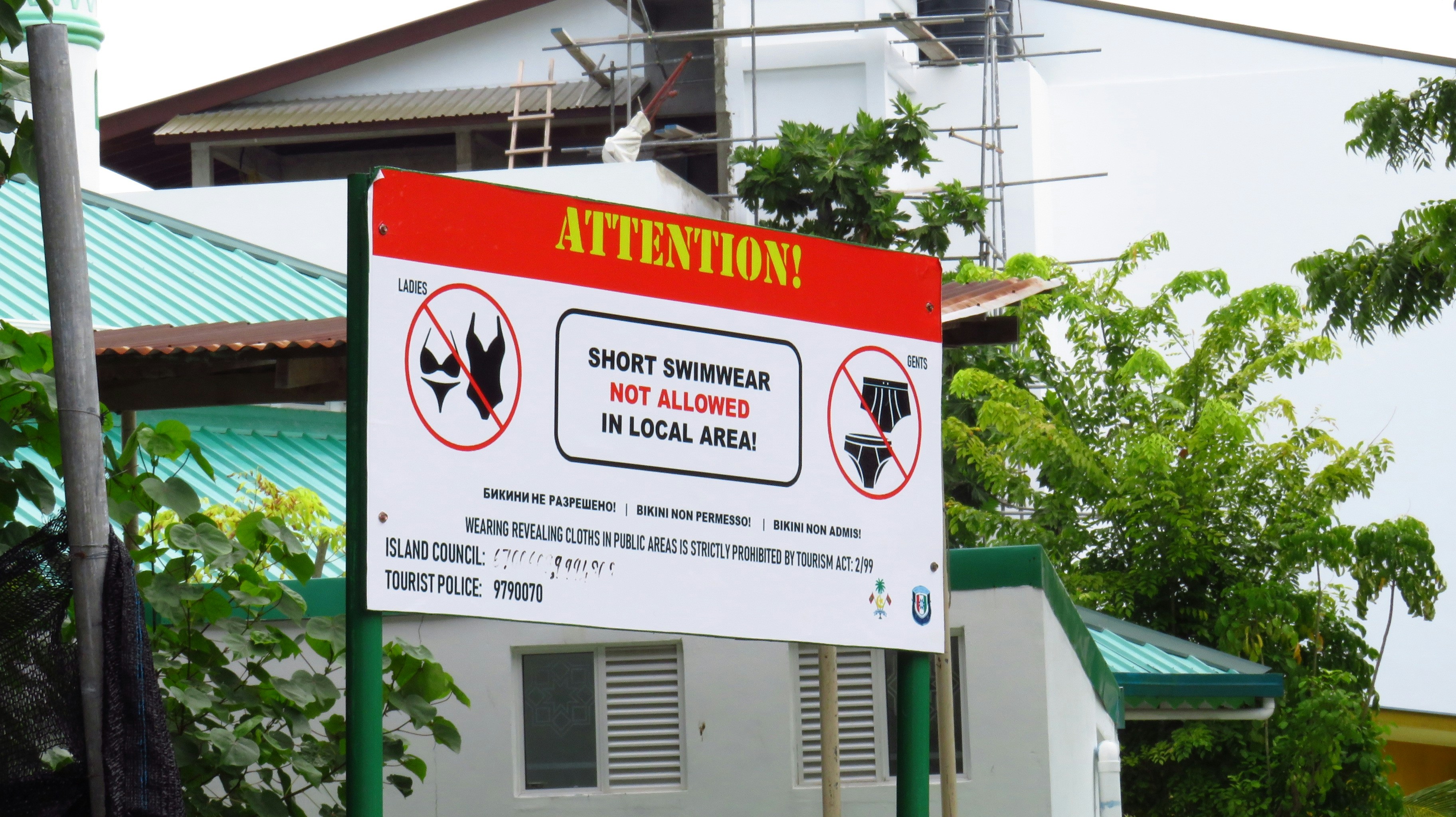
While floating markets are casual by nature, respectful dress still matters, especially outside major tourist zones. Remember, markets are part of everyday life for many locals.
Avoid overly revealing attire (especially shoulders and midriffs)
Lightweight pants or skirts and breathable tops are ideal
If you plan to visit temples nearby, bring a scarf or light cover up
By blending in with cultural expectations, you not only avoid offense but also gain a more genuine and enjoyable experience at Bangkok’s floating markets.
Smart Tips for a Better Floating Market Experience
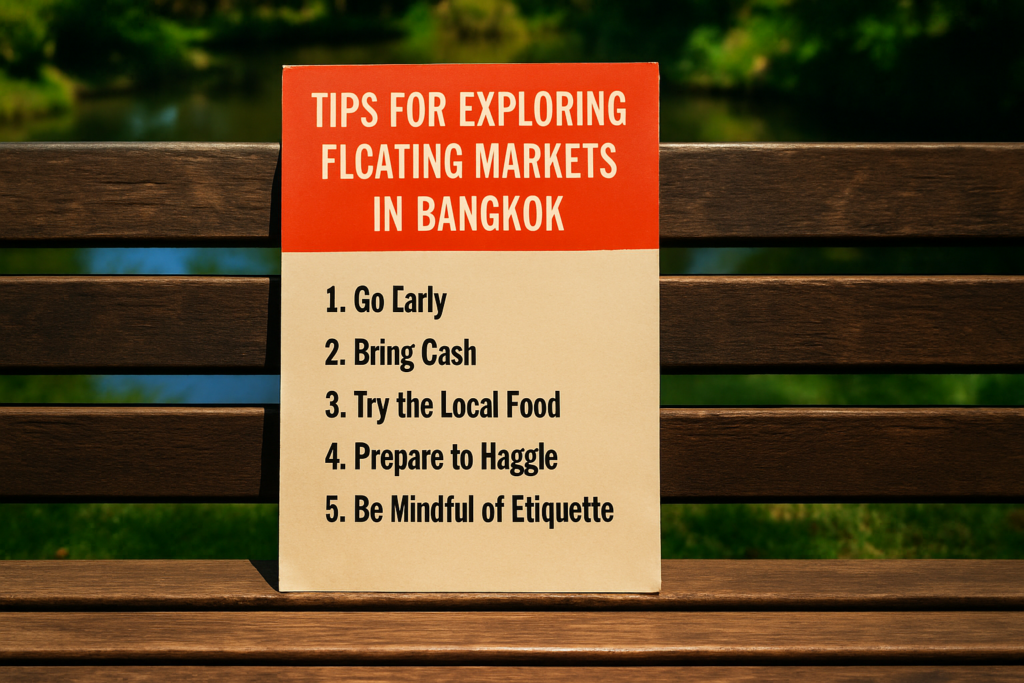
Floating markets get packed fast and the midday heat doesn’t do anyone favors, so go early. Aim for opening hours cooler air, fewer people, and a better shot at watching the boats ease into position. You’ll also get the first pick of food and souvenirs before the crowd descends.
Cash is still king in many stalls, so carry plenty of small change. Think 20s and 50s vendors don’t always have enough to break bigger bills, and you’ll move faster without waiting for change. That said, some markets have caught up and now accept QR payments or local mobile apps, so keep a mix of both on hand.
A few Thai phrases can go a long way. A simple “Sawasdee” (hello) or “Khop khun” (thank you) often gets a smile and sometimes better prices. You don’t need to be fluent, just willing.
Bottom line: prep smart and you’ll skip most of the usual headaches. These tips won’t just save you time they’ll make your visit smoother and more respectful, too.
Where Floating Markets Fit in the Bigger Bangkok Shopping Scene
Floating markets don’t try to compete head on with mega malls or night bazaars they offer a different vibe completely. Where malls prioritize international brands and air conditioned polish, and night bazaars crank up the lights for rows of fast fashion and electronics, floating markets slow things down. It’s more about the experience: narrow canals, boats brimming with local goods, the smell of grilled seafood mixing with tropical fruit.
If you’re after souvenirs, go here. Small handmade crafts, coconut shell trinkets, Thai herbal soaps these feel more meaningful than mass produced stuff you’ll find elsewhere. For spices and snacks, floating markets are gold. You’ll find chili pastes, dried herbs, tamarind candy, fried bananas, and snacks packed in banana leaves low key, local, and full of character.
This is shopping stripped of flash. You’re not just buying, you’re also connecting with vendors, with stories, with Bangkok’s old soul.
Want to see how floating markets stack up next to the rest? (Explore more options in our full Bangkok shopping guide).
Final Notes on Getting There and Getting Around
Exploring Bangkok’s floating markets is a one of a kind experience, but getting there takes a bit of planning especially since many markets are outside the city center. Here’s how to navigate your visit for maximum ease and enjoyment.
Getting There: Your Transportation Options
Whether you’re a solo traveler or in a group, there are several ways to reach Bangkok’s floating markets:
Public Transport + Boat/Taxi
Take the BTS Skytrain or MRT as far as possible, then transfer to a local taxi or boat for the final leg. Ideal for budget conscious travelers with time flexibility.
Guided Tours
Many local companies offer half or full day tours that include round trip transport, a guide, and sometimes meals. Great for convenience and added cultural context.
Private Car or Grab Ride
Hiring a private driver or booking a ride via Grab offers door to door comfort and flexibility especially useful for early starts or if you plan to visit multiple markets.
Make It a Full Day: Pair with Local Attractions
Don’t just see the market make the most of your trip by exploring what’s nearby. Some ideas:
Visit Maeklong Railway Market (near Damnoen Saduak)
Explore Wat Bang Kung, a famed tree covered temple near Amphawa
Stop by a local nature park or orchard tour if you’re near Bang Nam Phueng
What to Pack for a Smooth Visit
Markets can get hot, crowded, and wet planning ahead makes all the difference.
Sunscreen & Hat
Most markets are semi open air, with little shelter.
Reusable Water Bottle
Stay hydrated as you explore especially while waiting for boat rides.
Cash (small bills preferred)
Many vendors do not accept cards; smaller notes make it easier to pay.
Camera or Smartphone
Expect plenty of photo worthy moments, from colorful boats to sizzling local dishes.
Comfortable Shoes
You’ll be walking through wet boardwalks and sometimes uneven ground.
By planning your journey and packing the right essentials, you’ll be able to enjoy not just the markets, but the broader cultural tapestry they’re part of.
 Ruth Sticevensonics has been instrumental in shaping the vision of Drip Travels Hide, using her knowledge of global travel trends to enhance the platform’s content. She is dedicated to creating insightful travel guides that help adventurers go beyond the usual tourist experience, offering expert tips on hidden gems and local culture. By blending inspiration with practical advice, she ensures that every traveler has the confidence to explore new destinations with ease. Her work continues to elevate Drip Travels Hide, making it a go-to resource for those looking to turn their travel dreams into reality.