
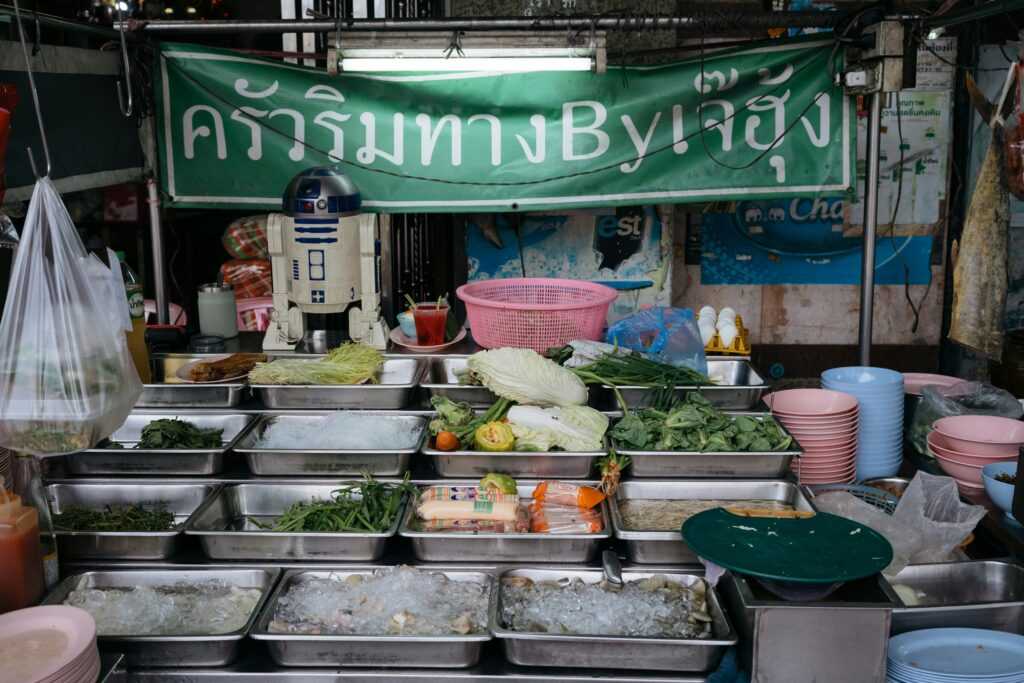
Pad Thai Worth Every Bite
One of Thailand’s most iconic street foods, Pad Thai is a flavorful stir fried noodle dish that’s both satisfying and versatile. It’s made fresh on the streets of Bangkok and delivers a perfect balance of sweet, sour, and savory in every bite.
Signature Ingredients
Expect a delicious mix of:
Stir fried rice noodles
Shrimp (or tofu as a vegetarian option)
Crushed peanuts
Egg
Bean sprouts
Lime wedge on the side for a hit of citrus
Bonus: Banana Leaf Versions
Track down vendors who cook or serve their Pad Thai in banana leaves. This not only adds an earthy aroma but also enhances both presentation and flavor.
Adds an extra layer of smokiness
Minimizes use of plastic or foam plates
Popular with locals who know where to look
Where to Try It
For a legendary experience, head over to:
Thip Samai Widely considered one of Bangkok’s best Pad Thai spots
Look for roadside stalls with high wok flames and fast paced cooking
Don’t forget to customize with chili flakes, sugar, vinegar, and crushed peanuts from the condiment stand
Pad Thai is best enjoyed hot off the wok, with some street side buzz and a cold drink to round it out.
Som Tum (Green Papaya Salad)
Som Tum is loud, messy, and impossible to ignore just like Bangkok itself. At its core, it’s a shredded green papaya salad tossed with peanuts, lime juice, chili, and a hit of fish sauce. The result? A raw mix of spicy, sour, salty, and sweet that slaps your taste buds awake in the best way.
You’ll find different takes depending on where you are. In Northern Thailand, expect more fermented fish sauce and sometimes even salted crab flavors dialed up, funkier, definitely bolder. Central Thai versions lean cleaner, letting the citrus shine and balancing the heat with just enough sweetness. Either way, it’s fresh, fast, and usually pounded together right in front of you with a mortar and pestle. Don’t walk past a vendor without trying it.
Moo Ping (Grilled Pork Skewers)
Think juicy, marinated pork grilled over an open charcoal flame. That’s moo ping sweet, smoky, and deeply satisfying. These skewers are often served with a small bag of sticky rice, making them the perfect grab and go breakfast. Locals snap them up first thing in the morning, so if you’re strolling Bangkok’s streets before 9 a.m., there’s a good chance you’ll catch the scent before you even see the vendor.
Moo ping stands dot just about every neighborhood, usually set up on street corners with a small grill and a tray of skewers ready to go. Don’t overthink it just follow the crowd, hand over a few baht, and enjoy one of Thailand’s most beloved street eats while it’s still hot.
Hoy Tod (Crispy Oyster Omelet)
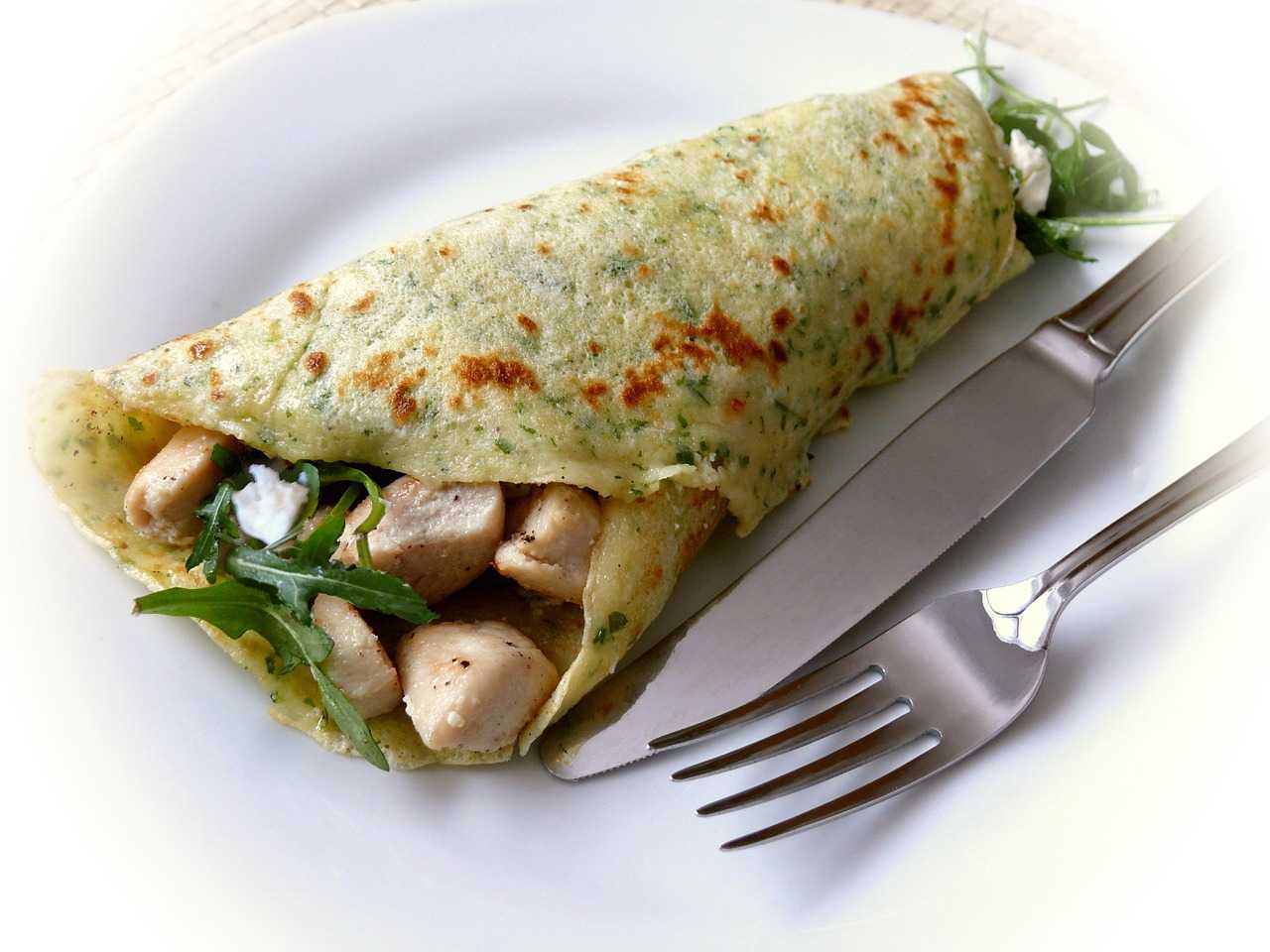
If you’re wandering through Bangkok’s Chinatown and hear a sizzle that stops you in your tracks, follow it it’s probably Hoy Tod. This street food star is a crunchy, chewy mix of fresh oysters, egg, and mung bean flour batter, all fried hard on a searing griddle. The result? A textural hit that’s crisp on the outside, tender in the middle.
The key is heat. Vendors pour the batter onto flat iron pans already smoking hot, flipping and pressing it until it gets that golden, crackling foundation. Then comes the egg, the oysters, and a mess of green onion to tie it all together. It hits the plate with a dollop of spicy chili sauce no frills, just function. If it’s not steaming hot, it’s not right.
When in doubt, head to Yaowarat Road. The best stalls have lines, flames, and serious wrist action. Skip the fancy forks, grab a plastic spoon, and eat it while it’s still popping from the oil.
Khanom Buang (Thai Crispy Pancakes)
Delightfully light yet packed with flavor, Khanom Buang is a must try Bangkok street snack. These traditional Thai crispy pancakes have captivated locals for generations and continue to surprise first time visitors with their contrasting textures and flavors.
Bite Sized and Bold
Each pancake is made from a thin, crispy shell that’s folded like a taco and filled with:
Coconut cream rich and velvety, offering a smooth base
Foi Thong (sweet egg yolk threads) bright golden strands that add a delicate sweetness
Minced shrimp or chopped scallions for those who prefer a savory contrast
Sweet and Savory Options
What makes Khanom Buang stand out is the freedom to go sweet, savory, or even combine the two. Vendors typically offer:
A traditional sweet version, often using coconut cream and egg threads
A savory twist, incorporating shrimp, pepper, and herbs
Where to Find It
You’re likely to stumble upon these snacks in markets and old town food stalls. Look for street carts where skilled vendors gracefully spread batter on sizzling griddles and swiftly fold each pancake by hand.
Whether you’re winding through Chinatown or exploring Talad Rot Fai, keep an eye out for a Khanom Buang stand you won’t regret it.
Mango Sticky Rice
Simple, satisfying, and unmistakably Thai. This dish pairs sweet glutinous rice soft and sticky from soaking in rich coconut milk with slices of perfectly ripe mango. It’s often served with a drizzle of salted coconut cream on top, adding a subtle contrast of flavors.
You’ll spot it everywhere from high end dessert cafes to humble curbside carts. But timing matters. March to May is mango season in Thailand, when the fruit hits peak sweetness. That’s when mango sticky rice really shines. Ask any local the texture, the balance, the freshness it all just hits different during these few months.
Whether it’s your first taste or your fiftieth, it’s the dessert that never disappoints.
Make the Most of Bangkok’s Street Culture
There’s no single dish that defines Bangkok’s street food scene it’s the variety that makes it unforgettable. You’ll find piping hot noodle soups ladled out of sidewalk carts, charcoal grilled meats skewered fresh right in front of you, and countless snacks and sips you’ve never heard of but won’t forget. The rule here is simple: try a bit of everything. Some of it will be fiery. Much of it will be funky. All of it tells a story.
But don’t just wander blind. Where you eat matters as much as what you eat. Some stalls have outlasted decades of competition by doing one thing incredibly well. Others pop up and disappear in the same season. Want a shortcut? This Ultimate Guide to Bangkok’s Colorful Street Food Paradise breaks down where to go, when to go, and what to order.
Quick tip: be curious. Talk to the vendors, follow the lines, watch what locals are eating. And if your heat tolerance isn’t battle tested, remember the phrase “mai phet” that’s Thai for “not spicy.” It saves tongues.
Bangkok rewards the open minded. Show up hungry, and stay flexible.
Pro Tip: Eat Like a Local
Bangkok street food hits different when you know where and when to go. First rule: avoid the major tourist streets during lunch and dinner rush. The food’s still decent, but you’ll brush shoulders with more selfie sticks than locals, and slower turnover can mean soggier spring rolls or lukewarm tom yum.
Instead, walk a block or two into the side streets. You’re looking for stalls with long queues, a bit of show behind the grill, and quick moving lines. That constant churn keeps ingredients fresh and dishes hot off the wok. Locals aren’t lining up for photogenic plates they’re after flavor and quality.
Curious where to start? Dig into this Ultimate Guide to Bangkok’s Colorful Street Food Paradise and thank us later.
 Eva Mander-Jones has been a key contributor to Drip Travels Hide, bringing her expertise in travel research and content curation to the platform. Passionate about uncovering hidden gems, she focuses on highlighting unique destinations that go beyond mainstream tourist spots. Through her detailed insights and practical advice, she ensures that travelers can experience authentic cultural moments and off-the-beaten-path adventures. Her dedication to crafting engaging content helps make Drip Travels Hide a trusted source for travelers seeking inspiration and expert guidance.