
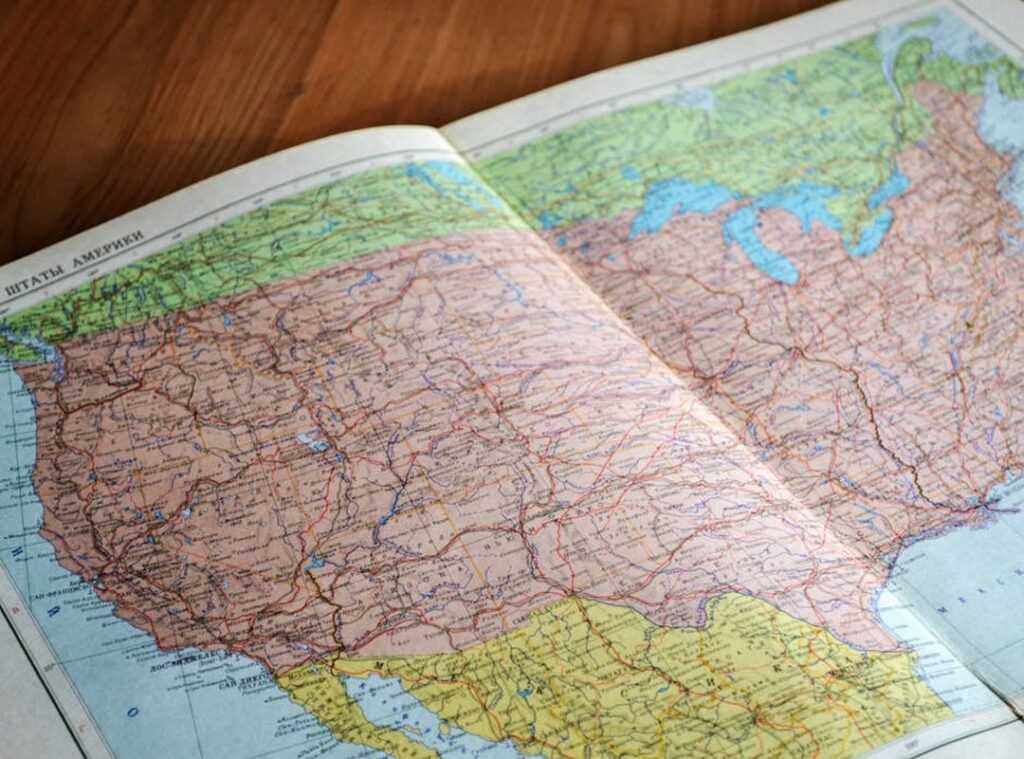
You’ve pasted a map into your site.
It looks like every other map out there.
Generic pin. Default colors. Zero personality.
And you’re already wondering: Why does this feel so lifeless?
I’ve built and tweaked over two hundred maps for clients and side projects.
Seen the same frustration every time.
The market is a mess. No-code tools that barely work. APIs that demand JavaScript fluency.
And half the tutorials assume you’re either a designer or a dev (not) both.
That’s why I’m cutting through it.
This isn’t a list.
It’s a system. Built from real use cases (to) pick the right Map Ttweakmaps tool for your project.
No fluff. No hype. Just what works.
And why.
Why a Custom Map Beats Google’s Default Every Time
I stopped using plain Google Maps embeds two years ago. Not because they’re broken. They’re fine for directions.
But if you’re trying to communicate, they’re a dead end.
Map Ttweakmaps is where I start now. (Not a plugin. Not a theme.
A real map builder that bends to your brand.)
Let’s talk brand consistency. You wouldn’t slap Comic Sans on your logo. So why accept Google’s blue-and-gray palette and generic red pins?
Imagine a coffee shop chain with warm terracotta icons and custom typography (all) synced to their website. That’s not decoration. That’s recognition.
Clutter kills engagement. Google drops in gas stations, ATMs, and random “sponsored” listings right next to your location. You don’t control it.
With a custom map, you highlight what matters (say,) only your three flagship stores. And hide the noise. Your user isn’t searching for a taco truck.
They’re looking for you.
Data storytelling? Try dropping sales numbers onto territory boundaries. Or showing event density by zip code.
Google Maps won’t let you do that without 17 layers of workarounds.
A custom map isn’t about looking pretty. It’s about speaking clearly.
You already know this. You’ve scrolled past a cluttered map and clicked away.
Ttweakmaps handles the heavy lifting so your map says what you mean. Not what Google thinks you should say.
No more guessing. No more compromises.
No-Code or Code? Pick One and Stick With It
I’ve watched people waste weeks trying to force a no-code tool to do what only code can.
Then I’ve watched developers over-engineer a simple map just because they could.
You’re not stuck in the middle. You pick one path (and) it starts with your skill level.
Not your job title. Your actual hands-on ability.
If you can’t read a JavaScript error without Googling it, skip the API route. Seriously.
Map Ttweakmaps is fine for quick edits. But it won’t save you if you’re building something real.
For the Non-Coder: Visual Map Builders
These tools drop you into a drag-and-drop interface. You add pins. You color regions.
You hit publish.
Google My Maps and Felt are good examples. They work right in your browser. No install.
No terminal.
Marketers use them. Small business owners who need a “store locator” by Friday. Analysts who want to show sales by zip code (fast.)
Speed is the win here. Not control.
You trade flexibility for getting something live before lunch.
(And yes, sometimes that’s exactly what you need.)
For the Developer: Solid APIs & SDKs
This is where you write code. Real code. You call endpoints.
I wrote more about this in Ttweakmaps.
You handle CORS. You debug GeoJSON parsing errors at 2 a.m.
Mapbox GL JS and Leaflet are solid choices. They plug into React. They scale with your app.
They don’t break when you add 50,000 points.
Developers use these. Data scientists who need geospatial joins. Engineers integrating maps into internal dashboards.
Flexibility is the win. Not speed.
You trade simplicity for doing it your way.
Which path did you actually take last time? Be honest.
The 5 Things Your Map Tool Can’t Skip
I’ve wasted too many hours on maps that looked great until someone clicked a marker. And nothing happened.
Or worse: the map froze when we loaded 200 locations.
So here’s what I check first. Every time.
- Styling & Branding Control
You need to change colors. Labels. Road thickness.
Marker icons. Not just pick from five presets. Upload your own SVGs.
Override default fonts. If you can’t match your brand in under two minutes, walk away. (Yes, even if it’s “just internal.”)
- Data Import & Integration
CSV. Excel.
GeoJSON. Drag-and-drop or paste raw coordinates. No API key required for basic uploads.
If it forces you to convert files three times before it accepts them, it’s not saving time (it’s) stealing it.
- Interactivity Options
Click a point → see a pop-up with real data. Hover → show a clean tooltip.
Toggle layers on/off without reloading. Bonus points if you can set conditional visibility (e.g., “show only restaurants open after 9 PM”).
- Performance & Scalability
Test it yourself. Load 5,000 points.
Zoom in fast. Pan across the map. Does it stutter?
Does the browser tab freeze? If yes, your users will bail (even) if your data is perfect.
- Pricing Model
Free tier? Fine.
If you’re testing. Pay-per-load? Dangerous.
One spike in traffic and your bill doubles. Monthly subscription? Only worth it if you’re using it daily.
Match the model to how often you’ll actually use it. Not how often you hope to.
Map Ttweakmaps nails most of this. But don’t take my word for it. read more and test the import speed yourself.
Here’s my pro tip: Try adding your worst CSV first. The one with missing coordinates, mixed columns, and weird quotes.
If the tool handles it without error messages (or) worse, silent failures. You’ve got a winner.
Otherwise? Keep looking.
Because no amount of pretty styling fixes broken interactivity.
And no one cares how cool your base map looks if it won’t load.
Which Tool Fits Your Project? (Spoiler: It Depends)
If you need to drop 50 store pins on a website—fast. And match your brand colors, skip the code. A no-code visual builder gets it done in under an hour.
You’re not building Google Maps. You’re solving one problem. Right now.
If you’re shipping a mobile app with live delivery tracking and custom zoom animations? You need a developer API. Not a widget.
Not a plugin. Real access. Real control.
I’ve tried both paths. The no-code route saves time until it blocks you. Then you’re stuck or rebuilding.
What about Map Ttweakmaps? It sits in the middle. Flexible enough for light customization, but still friendly for non-devs.
For most small-to-mid projects. Like travel blogs or local service sites (I’d) pick the Map Guide approach. It’s clean.
It works. And it doesn’t demand a degree in JavaScript.
Don’t overbuild. Don’t underbuild. Just build what you actually need.
Start Building Your Perfect Map Today
Generic maps fail you. Every time.
They look slick until you need something real. Like showing live traffic in your delivery app. Or layering soil data for a farm co-op.
You know what I mean.
You don’t need another flashy dashboard. You need Map Ttweakmaps that bends to your work. Not the other way around.
So ask yourself: what’s the one thing your map must do better than anything else?
Not three things. Just one. Go back to section 3.
Circle it.
Then pick one free tool. Try it this week. No setup tax.
No demo jail.
Most people wait for “perfect.” They get stuck with broken pins and missing zoom levels.
You won’t.
Your map should serve your purpose. Not a marketing slide.
Start now.
 Eva Mander-Jones has been a key contributor to Drip Travels Hide, bringing her expertise in travel research and content curation to the platform. Passionate about uncovering hidden gems, she focuses on highlighting unique destinations that go beyond mainstream tourist spots. Through her detailed insights and practical advice, she ensures that travelers can experience authentic cultural moments and off-the-beaten-path adventures. Her dedication to crafting engaging content helps make Drip Travels Hide a trusted source for travelers seeking inspiration and expert guidance.