

Imagine you have a friend who gets super excited about a new hobby, only to drop it after a week. You know, the kind of person who buys a guitar, strums a few chords, and then decides they’re more of a ukulele person. Now, what if I told you there’s a perfect, funny phrase in Malay to describe this?
Malay proverbs, or peribahasa, aren’t just old, serious bits of wisdom. They’re often filled with sharp wit, sarcasm, and hilarious imagery.
This article is all about exploring some of the funniest and most clever kata kata bijak lucu melayu that capture life’s absurd moments.
You’ll not only learn some memorable sayings but also get a deeper appreciation for the playful side of Malay culture.
So, let’s dive in. This is going to be a lighthearted and educational journey, not a dry grammar lesson.
Animal Kingdom Comedy: When Chickens and Monkeys Teach Life Lessons
Animals are often used in Malay proverbs to humorously critique human behavior. These sayings, or kata kata bijak lucu melayu, add a touch of humor while delivering a serious message.
Bagai ayam berak kapur (Like a chicken with chalky droppings). Imagine a chicken that’s so embarrassed it turns pale. This phrase describes someone who is deeply embarrassed or ashamed.
You might use it when your friend spills coffee on their shirt at a fancy dinner. “Look at you, bagai ayam berak kapur!”
Seperti kera mendapat bunga (Like a monkey that gets a flower). This one is about giving something valuable to someone who can’t appreciate it. Picture a monkey tearing apart a beautiful flower.
If you give an expensive gift to someone who doesn’t care, you could say, “This is like seperti kera mendapat bunga.”
Melepaskan anjing tersepit (Freeing a trapped dog). This phrase captures the irony of helping an ungrateful person who then turns against you. It’s like freeing a dog from a trap, only for it to bite you.
Use it when you help a friend, and they still complain. “I feel like I’m melepaskan anjing tersepit every time I help you.”
These sayings are not just funny; they offer a unique way to understand and describe human behavior.
Food for Thought: Deliciously Witty Phrases from the Kitchen
Food is a big deal in Malaysia. It’s not just about eating; it’s woven into our language and culture. You hear it in everyday conversations, especially when people are being clever or sarcastic.
- Ada udang di sebalik batu (There’s a shrimp behind the rock).
-
Imagine a sneaky little shrimp hiding behind a rock. It’s a funny image, right? But this phrase means there’s a hidden motive or agenda.
Think about office politics. Someone might seem all nice and helpful, but they’re really after that promotion. That’s the shrimp behind the rock.
-
Hangat-hangat tahi ayam (As warm as chicken droppings).
-
This one’s a bit gross, but it makes its point. It describes something that starts off with a lot of enthusiasm but quickly fizzles out. Like those New Year’s resolutions we all make.
We start strong, hit the gym, and then by February, we’re back on the couch. That’s hangat-hangat tahi ayam.
-
Sudah jatuh ditimpa tangga (Already fallen, then the ladder falls on you).
- Picture this: you trip and fall, and just as you think it can’t get worse, a ladder falls on you. It’s like a slapstick comedy moment. This phrase is perfect for describing a series of unfortunate events. Maybe you miss your bus, then realize you left your wallet at home, and to top it off, you spill coffee on yourself. Talk about adding insult to injury.
These phrases add color and humor to our daily lives. They help us express complex feelings and situations in a way that’s both relatable and amusing. So next time you hear someone say kata kata bijak lucu melayu, you’ll know exactly what they mean.
Human Quirks and Absurd Situations in Malay Proverbs
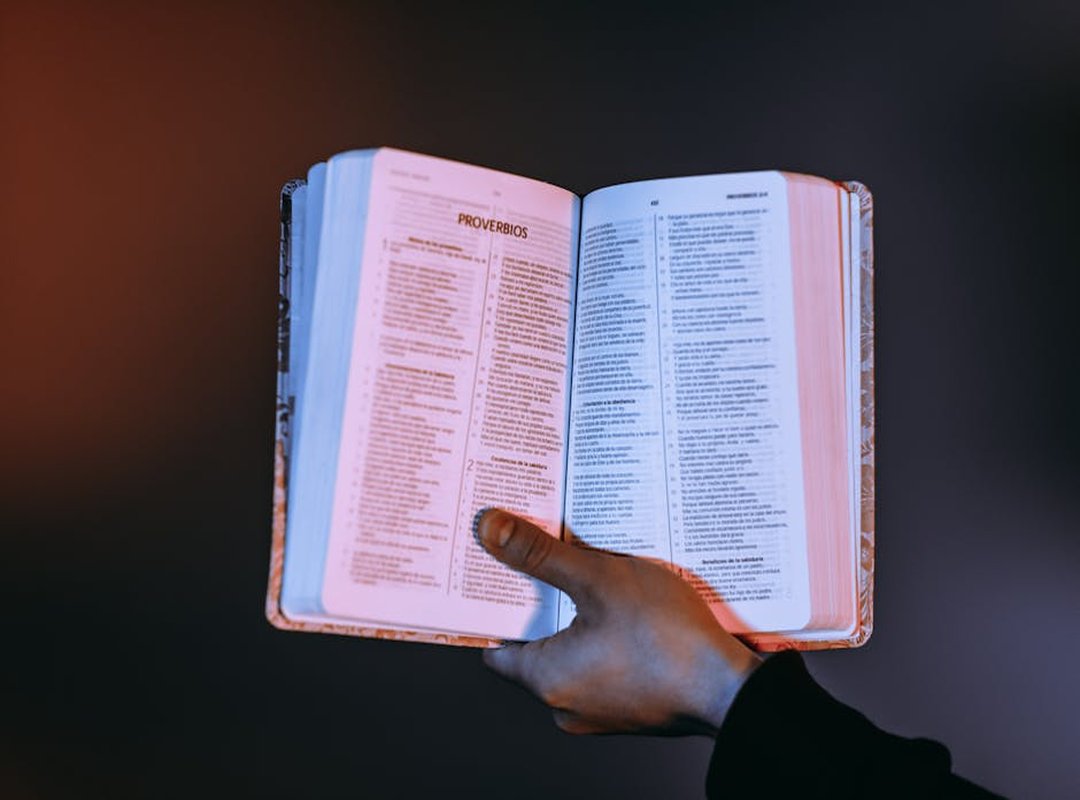
Malay proverbs, or kata kata bijak lucu melayu, often capture the quirks and absurdities of human behavior with a sharp wit. Let’s dive into a few that perfectly illustrate common flaws and funny social dynamics.
Take ‘Mencurah air ke daun keladi’ (Pouring water on a taro leaf). Imagine water rolling right off the waxy leaf. This vivid image describes giving advice that is completely ignored.
It’s like trying to tell a stubborn teenager to clean their room—no matter how many times you say it, the words just slide off without making an impact.
Then there’s ‘Seperti gunting dalam lipatan’ (Like scissors in a folded cloth). The imagery here is sharp and clear: a hidden enemy or a backstabber among friends. Think about discovering a friend has been gossiping about you.
They seem friendly, but they’re as dangerous as a pair of scissors hidden in a piece of fabric.
Another one is ‘Masuk telinga kanan, keluar telinga kiri’ (In the right ear, out the left ear). This phrase captures the idea of being ignored in a direct and simple way. It’s universal, but the Malay version hits the nail on the head.
It’s like when you give someone a well-meaning suggestion, and they nod politely, only to forget it seconds later.
These proverbs not only highlight human flaws but also add a touch of humor to our everyday interactions. They remind us that sometimes, the best way to understand each other is through a shared laugh.
If you’re looking for more ways to connect and have fun with your family, check out the top family friendly activities in cancun for an unforgettable vacation.
How to Sound Natural: Using These Phrases in Conversation
If you want to sound more natural and add a bit of flair to your conversations, using these phrases can be a game-changer. But remember, context is key.
These phrases are best used in informal settings with friends or family who appreciate the cultural nuance. They can make your stories more engaging and relatable.
Do and Don’t List
- DO use them to add color to a story.
- DON’T use them in a formal email to your boss.
Sample Dialogue
Friend 1: “So, I was at the night market last night, and guess what? I saw that celebrity everyone’s talking about!”
Friend 2: “No way! Hangat-hangat tahi ayam, tell me more!”
Using hangat-hangat tahi ayam here adds a humorous and casual touch to the conversation, making it more lively and fun.
Tips for Beginners
Start by noticing these phrases in Malaysian media. Pay attention to how they flow and when they’re used. This will help you understand their timing and natural placement in speech.
kata kata bijak lucu melayu can also be a great way to inject some humor and wisdom into your conversations. Just make sure it fits the moment and the people you’re with.
By incorporating these phrases, you’ll not only sound more natural but also connect better with those around you. It’s a small change that can make a big difference.
The Last Laugh: Bringing Timeless Wisdom into Modern Banter
Malay wisdom is a rich source of not just guidance, but also humor that remains relevant today. These phrases provide a unique and amusing window into the culture’s perspective on life’s ups and downs.
Have fun with what you’ve learned. Try to spot opportunities to use these witty sayings in your own conversations.
Next time a friend gives up on a project after two days, you’ll know exactly what to say.
 Eva Mander-Jones has been a key contributor to Drip Travels Hide, bringing her expertise in travel research and content curation to the platform. Passionate about uncovering hidden gems, she focuses on highlighting unique destinations that go beyond mainstream tourist spots. Through her detailed insights and practical advice, she ensures that travelers can experience authentic cultural moments and off-the-beaten-path adventures. Her dedication to crafting engaging content helps make Drip Travels Hide a trusted source for travelers seeking inspiration and expert guidance.