
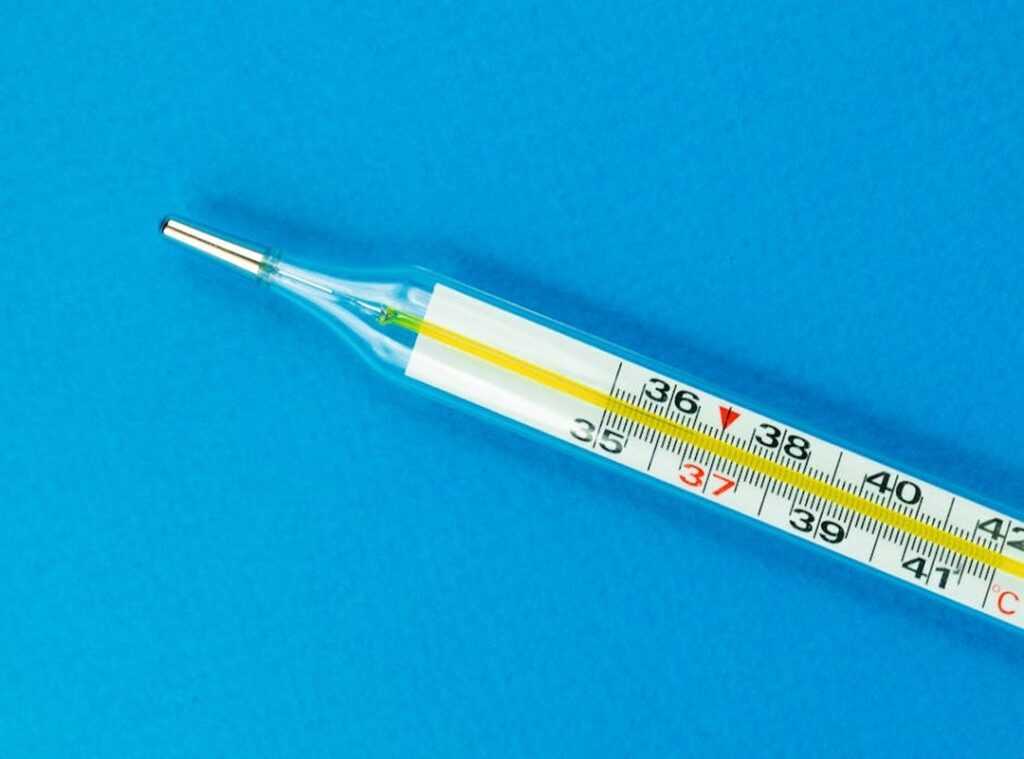
You’re here because you want to see a thermometer lagnat picture. It’s confusing, right? You know a fever means a high temperature, but seeing the actual number can be tricky.
This article is all about giving you a clear visual guide. We’ll show you what a fever looks like on different types of thermometers. By the end, you’ll be able to spot a fever reading and understand what those numbers mean.
Why is this important? Well, it’s all about peace of mind. Knowing when to take action for yourself or a loved one can make a big difference.
Let’s dive in.
Decoding the Numbers: What Temperature is Officially a Fever?
I remember the first time I had to take my kid’s temperature. It was a mess. The numbers on the thermometer confused me, and I ended up calling the doctor for what turned out to be a mild fever.
In the medical world, a fever is generally defined as a body temperature of 100.4°F (38°C) or higher.
For adults, here’s a simple breakdown:
– Low-grade fever: 100.4°F – 102.2°F
– Moderate fever: 102.2°F – 104°F
– High fever: Above 104°F
Children and infants have different thresholds. A low-grade fever in a child might be a cause for concern. Here’s what you need to know:
– Infants (0-3 months): Any temperature above 100.4°F (38°C) should be checked by a doctor.
– Children (3-36 months): A temperature above 102.2°F (39°C) is considered a fever.
The ‘normal’ 98.6°F (37°C) is just an average. Body temperatures can fluctuate throughout the day.
Taking a temperature can vary depending on the method. Oral, rectal, and forehead readings can differ slightly. For infants, rectal is often the most accurate.
One lesson I learned is that not all fevers are emergencies. Sometimes, a low-grade fever is just the body fighting off a minor infection. But it’s always better to err on the side of caution, especially with kids.
A Visual Guide to Fever Readings on Common Thermometers
Digital Stick Thermometer

A standard digital thermometer will flash the number, like ‘101.5°F’, and may beep. This is a clear sign of a fever.
Forehead (Temporal Artery) Thermometer

These scanners often have a color-coded screen. Red indicates a high fever, making it easy to spot at a glance.
Ear (Tympanic) Thermometer

The in-ear thermometer’s display shows a fever temperature. Proper placement in the ear canal is crucial for an accurate reading.
Smart Thermometers

Modern smart thermometers connect to a phone app. They not only show the current fever reading but also track your history. This can be incredibly useful for monitoring trends over time.
Glass (Mercury-Free) Thermometer

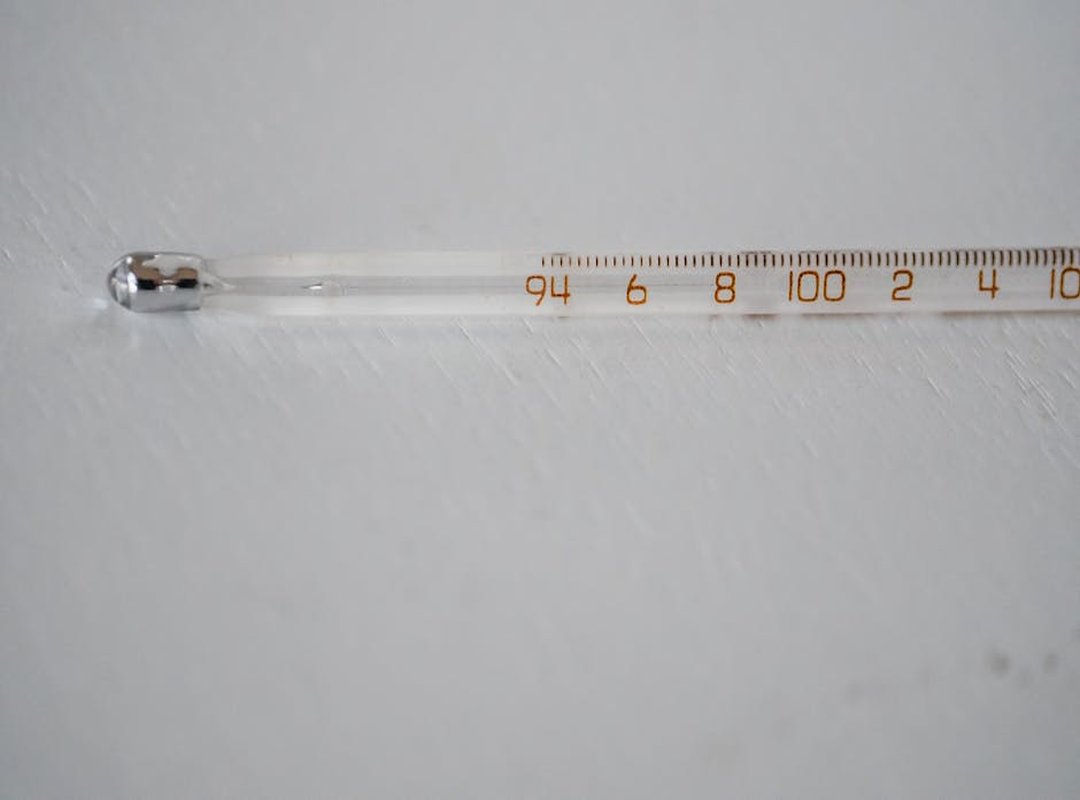
A traditional glass thermometer with the liquid line past the 100°F / 38°C mark indicates a fever. Reading this analog device is straightforward once you know what to look for.
Looking ahead, I predict that smart thermometers will become even more popular. Their ability to track and store data makes them a valuable tool, especially for parents and caregivers. However, traditional methods like the glass thermometer will still have their place, especially in areas where technology isn’t as accessible.
Common Mistakes That Lead to an Inaccurate Temperature Reading
Taking a temperature too soon after eating, drinking a hot or cold beverage, or exercising can mess up the reading. Wait 15-20 minutes before you take your temp.
Correct placement is key. For oral thermometers, place it deep under the tongue. For ear thermometers, make sure you get the right angle.
And for forehead ones, do a full swipe.
Using the wrong thermometer for the situation is a big no-no. Don’t try an oral reading on a crying toddler or someone who’s congested. It won’t work.
| Thermometer Type | Correct Placement |
|---|---|
| Oral | Deep under the tongue |
| Ear | Correct angle in the ear canal |
| Forehead | Full swipe across the forehead |
A low battery in digital thermometers can cause erratic or incorrect readings. Check the battery regularly.
Cleaning the thermometer before and after each use is crucial. Residue can interfere with the sensor’s accuracy. Use alcohol wipes or soapy water, depending on the type of thermometer.
thermometer lagnat picture
Pro tip: Keep a few extra batteries around. You don’t want to be stuck without one when you need it most.
When a Fever Reading Means It’s Time to Call a Doctor
Understanding when a fever reading is cause for concern can help you make the right decision about seeking medical advice. For infants under 3 months, any fever of 100.4°F (38°C) or higher warrants an immediate call to a doctor.
For adults and older children, certain signs should prompt a call to a healthcare provider. These include difficulty breathing, severe headache, confusion, a rash, or a fever that lasts more than three days.
A thermometer lagnat picture can provide useful information, but it’s important to remember that it is not a diagnostic tool on its own. Always consult with a qualified healthcare provider for a proper evaluation and treatment.
This guide is for informational purposes and should not replace professional medical advice from a qualified healthcare provider.
 Eva Mander-Jones has been a key contributor to Drip Travels Hide, bringing her expertise in travel research and content curation to the platform. Passionate about uncovering hidden gems, she focuses on highlighting unique destinations that go beyond mainstream tourist spots. Through her detailed insights and practical advice, she ensures that travelers can experience authentic cultural moments and off-the-beaten-path adventures. Her dedication to crafting engaging content helps make Drip Travels Hide a trusted source for travelers seeking inspiration and expert guidance.