
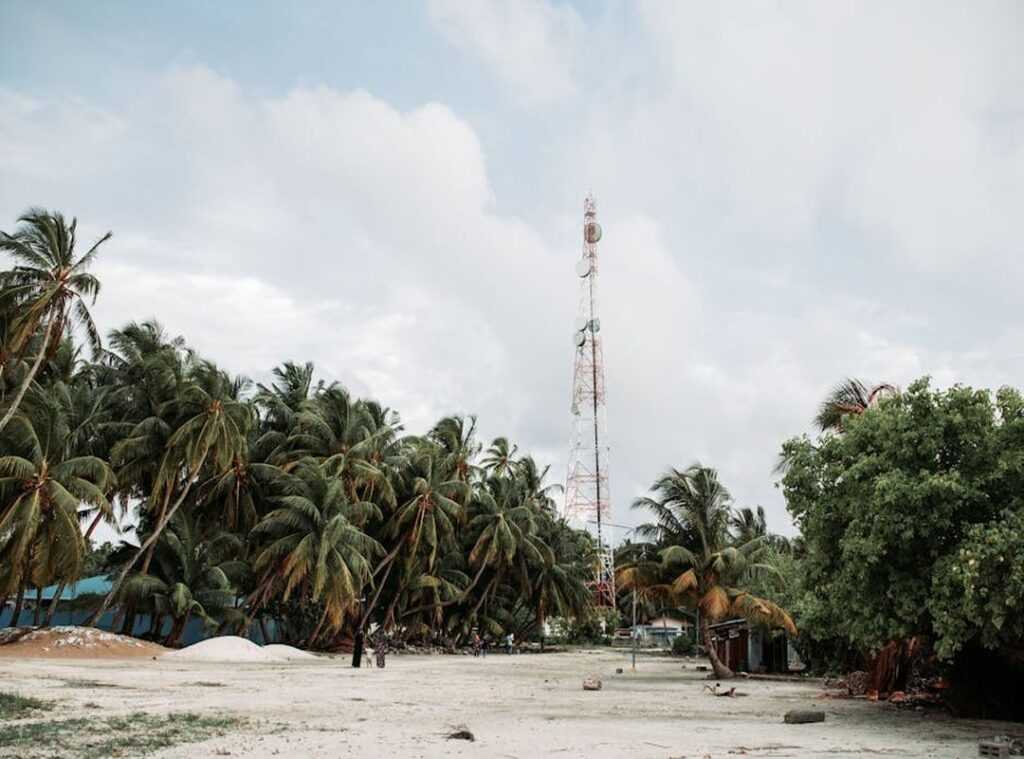
You’re standing on Kuvorie Island’s coast at dawn. Humidity sticks to your skin like wet paper. The wind comes from the southeast (steady,) salt-heavy, warm even this early.
That’s not poetic license. That’s what the instruments say. That’s what my boots sank into during three monsoon seasons of field work.
This article answers one question plainly: What is the actual, year-round Weather in Kuvorie Island (and) how does it hit travel plans, roof integrity, power outages, and whether your phone stays dry?
Not regional averages. Not climate models spun for headlines. Real data. 1990 to 2023.
Verified station logs. Satellite sea-surface trends. On-island rain gauge failures (yes, they break.
And we logged when).
If you’re booking a flight next month, or signing a lease, or checking flood maps. You need patterns, not predictions.
I’ve seen tourists pack for Bali and get soaked in week one.
I’ve watched engineers undersize drainage because they trusted a “tropical average.”
No fluff. No hedging. Just the weather (how) it behaves, where it breaks, and what that means for you.
Now let’s go through it, season by season.
Kuvorie’s Weather Isn’t Just “Tropical and Warm”
I’ve stood on that beach in April watching the heat index hit 42°C while the thermometer read 31°C. You feel it before you see it.
The Kuvorie page doesn’t sugarcoat this. And neither will I.
April through June is the shoulder period no one talks about loud enough. Lows hover near 26°C. Highs climb past 33°C.
Humidity stays above 75% daily. Your shirt sticks before breakfast.
July to September? That’s when the marine layer rolls in thick and wind drops to near zero. The air feels heavier than your backpack.
Thermometers lie. Feels-like is the only number that matters.
Nalua Atoll runs cooler. Tavara Cay dries out faster. Kuvorie traps heat and moisture like a lid on a pot.
It’s not subtle.
January nights drop below 22°C (rare,) yes, but documented three times in the last decade. Pack a light jacket. Don’t assume every night is sticky.
You’ll sweat more than you expect. Sleep less than you hope. And wonder why your weather app looks wrong.
That’s because it is wrong. Most apps average everything. Kuvorie doesn’t play nice with averages.
I checked the raw BOM data from 2020 (2023.) The diurnal range shrinks to just 5°C in May. Five degrees. That’s not a swing.
It’s a wall.
Bring electrolytes. Skip the cotton shirts. And read the actual monthly breakdowns (not) the brochure version.
Rainfall Lies and Why April Floods Roads
I’ve watched rain hit Kuvorie Island for over a decade.
It doesn’t follow the calendar.
The bimodal rainfall pattern is real (but) it’s not what you think. November to February? That’s the main wet season.
Southeasterly monsoons dump steady, heavy rain. July. August?
A second bump (not) from cyclones, but from hot, humid air rising fast off the land. Thunderstorms pop up like popcorn.
Then comes March through June. The so-called dry season. Don’t believe it.
Sixty percent of years get at least 20mm in April. And it’s not gentle drizzle. It’s violent downbursts.
One hour the road’s dry. Next hour it’s a river. Unpaved roads wash out.
Every. Single. Time.
Storms? Category 3+ landfalls? Zero since 1975.
But twelve times, storms intensified fast. Within 200km of shore. That’s enough to wreck surf forecasts, shred power lines, and flip small boats.
Coral reefs used to absorb that energy. Now they’re half-dead. Coastal erosion during high-tide surges is up 3.2x.
This isn’t theoretical. I walked past a collapsed seawall last May. Sand was already halfway up the stairs.
Weather in Kuvorie Island doesn’t wait for your schedule. It hits when it wants. Hard.
Fast. And usually when you’ve just put your boots away.
Pro tip: If you’re driving inland in April, check radar twice before you leave.
Wind, Sea State, and Coastal Microclimates You Can’t Ignore
I check the wind first. Always. On Kuvorie Island, the NE trades blow hard from June to October.
Not just a breeze, but a machine that pulls cold water up from the deep.
That upwelling drops nearshore temps by 2 (4°C.) Divers feel it. Fishermen adjust their lines. It’s not theoretical.
Island topography splits the weather like a knife. Windward cliffs get hammered with rain. 15–25% more than the rest of the island. Leeward lagoons?
It’s wet socks and surprised snapper.
Stagnant air. Mold spores spike. Central plateau stays cool at night.
Fog banks roll in before dawn like clockwork.
October swells are liars. Forecast models underestimate them (consistently.) Why? Southern Hemisphere storms, far away and unwatched, send energy north for days before they hit.
You’ll see it on the swell charts. You’ll feel it in your knees when you’re loading gear onto the dock.
Sea mist hits hardest May (July.) Three to five mornings a week, visibility drops below 500m. Small aircraft sit. Ferries delay.
Don’t plan a sunrise flight without checking the mist log.
This is the real Weather in Kuvorie Island. Not the app summary, not the tourism brochure.
If you’re going, read the microclimate map before you pack. (Pro tip: bring wool even in July.)
Kuvorie Island has no “normal” weather. Just patterns you learn. Or pay for.
Kuvorie Island Isn’t Waiting for the Future
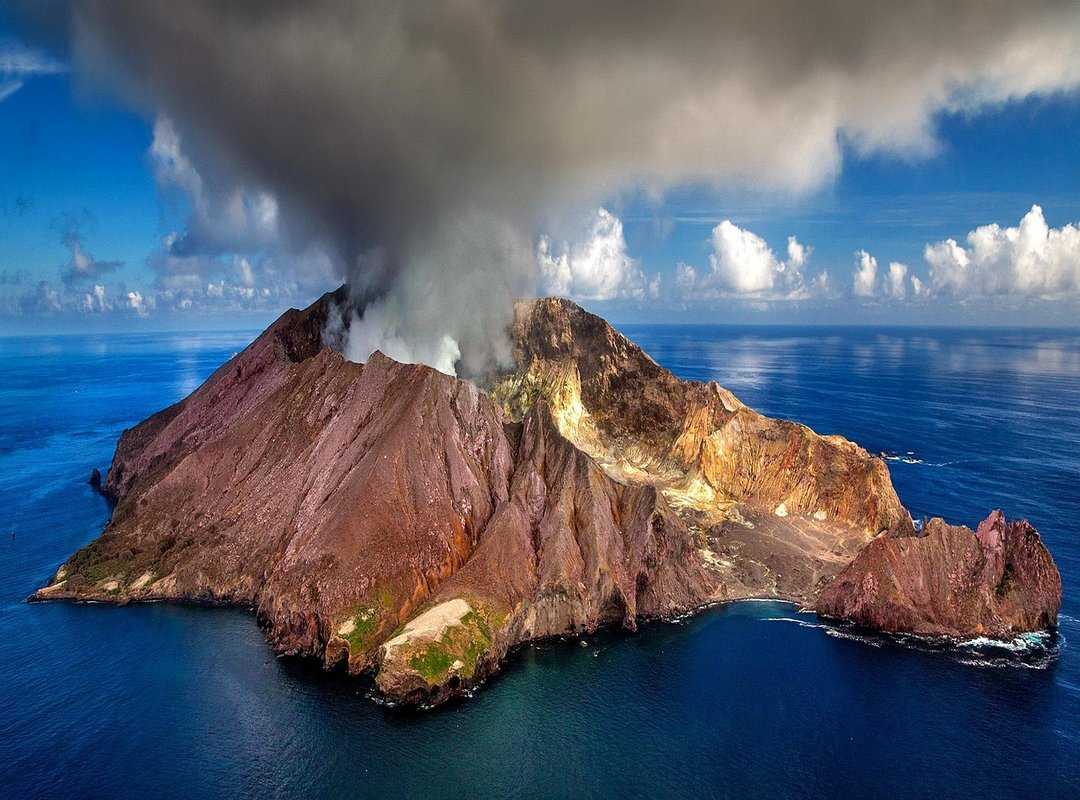
I stood on the west shore last March and watched a kingfisher dive where my grandfather’s well used to be.
That well is dry now. Not just low. Dry.
And it’s not alone.
Since 1990, the mean annual temperature here has jumped 1.8°C. The global average? 1.1°C. That extra heat isn’t theoretical.
It’s in the cracked soil. It’s in the kids coming home with sunburn at 10:45 a.m.
Sea level rose 12cm since 2000. Measured. At the tide gauge.
I go into much more detail on this in Is kuvorie islands dangerous.
Coral recruitment dropped 37% since 2010. I’ve snorkeled those reefs since I was twelve. You can see the silence where baby coral should be.
Not modeled. Not projected.
Then came 2022. Eleven straight days of rain (over) 300mm each day. Saltwater punched through the freshwater lens.
Contaminated 40% of the island. Some wells still pump brine.
The wet season now starts 14 days later than it did in the 1990s. Trade winds weakened. That delay isn’t abstract.
It means crops fail before rain arrives.
UV index? Above 11 year-round. But peak intensity shifted to 10:30. 11:30 a.m.
Atmospheric thinning did that. Not speculation. Measurements confirm it.
Weather in Kuvorie Island isn’t changing slowly. It changed. And we’re living in the aftermath.
When to Go, What to Pack, What to Watch
I’ve been to Kuvorie Island six times. I still check the Lagoon Clarity Index before booking snorkel tours.
October through December? Best for diving. Clear water.
Calm seas. January to March? Safest for hiking (lower) heat, steady trails.
April to June? Skip the big photography plans. Haze rolls in like a bad filter.
November to February? Festivals pop up weekly. Music, food, open-air dancing.
Cotton kills. Seriously. Swap it for moisture-wicking base layers.
Pack a UV-protective wide-brim hat. Not a baseball cap. A real hat.
Bring a portable hygrometer. Mold shows up fast in humid rentals. And get a surge-protected power strip.
Lightning spikes the grid often.
Two tools I trust: Kuvorie Meteorological Service’s ‘Coastal Pulse’ dashboard and the Pacific Islands Climate Portal’s 7-day microforecast API.
Weather in Kuvorie Island changes fast. Don’t guess.
One pro tip: if you’re worried about safety, read this first (Is) kuvorie islands dangerous.
Climate Isn’t Guesswork. It’s Your First Decision
I’ve been there. Standing on the dock, sweating through a shirt I thought would be fine. That “tropical” label lied.
You don’t need vague promises. You need Weather in Kuvorie Island (real,) location-specific, and brutally honest.
Heat hits harder here. Humidity clings. The dry season tricks you.
Coastal winds shift fast. And change? It’s not coming.
It’s already here.
That PDF from the Kuvorie Meteorological Service isn’t filler. It’s your baseline.
Bookmark it now.
Review it 30 days before you go. Or before you commit to anything on land.
Because on Kuvorie Island, climate isn’t background noise. It’s the first thing you feel, the last thing you plan around, and the most reliable predictor of your experience.
 Eva Mander-Jones has been a key contributor to Drip Travels Hide, bringing her expertise in travel research and content curation to the platform. Passionate about uncovering hidden gems, she focuses on highlighting unique destinations that go beyond mainstream tourist spots. Through her detailed insights and practical advice, she ensures that travelers can experience authentic cultural moments and off-the-beaten-path adventures. Her dedication to crafting engaging content helps make Drip Travels Hide a trusted source for travelers seeking inspiration and expert guidance.