
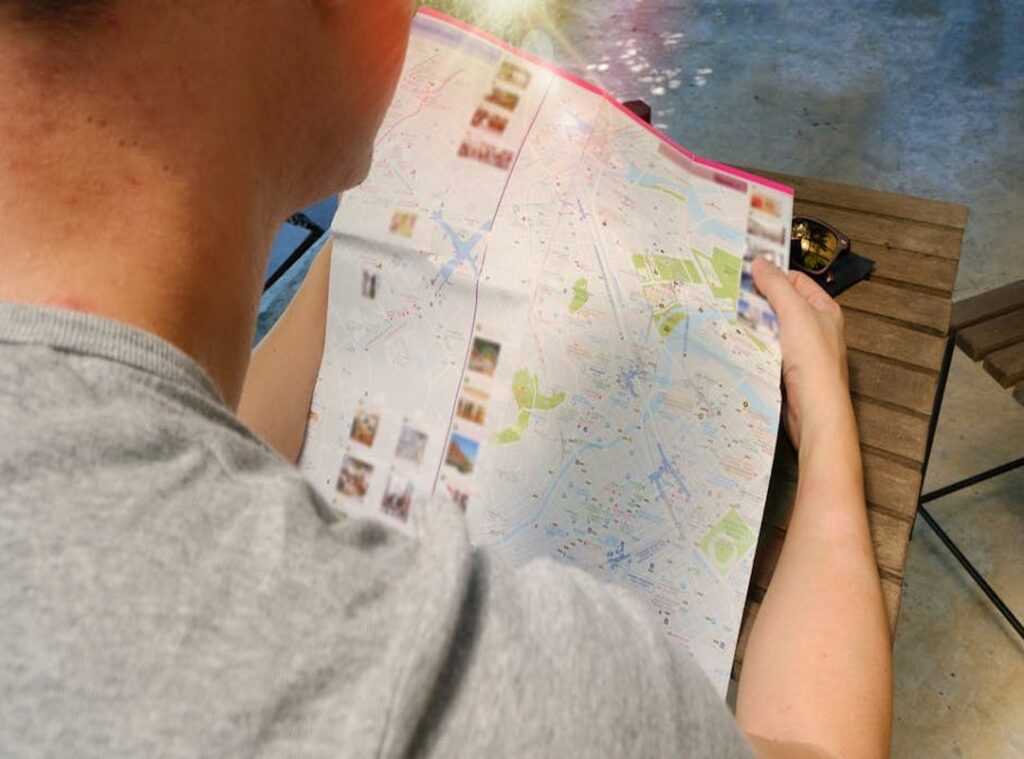
I stood in the rain outside a Lisbon metro station, staring at my phone.
The app said walk straight. The street was blocked by construction cones and a guy waving orange flags.
You know that feeling. When your map is wrong. Not just slightly off, but dangerously wrong.
And you’re already late, already tired, already questioning every life choice that led you here.
Static maps fail. Every time. Road closures.
New bike lanes. Sudden pedestrian zones. Transit reroutes at 3 a.m.
They don’t care about your schedule.
I’ve tested navigation fixes across 12 countries and 40+ cities. Not from a desk. On foot.
In taxis. On scooters. In downpours and rush hour chaos.
That’s how I know what works. And what doesn’t.
This isn’t about generic GPS tips. It’s about Map Guide Ttweakmaps Traveltweaks. Real-time adjustments built for actual travel friction.
No theory. No fluff. Just what changes right now, where it matters.
You’ll learn exactly how to spot outdated map data (before) it derails your day.
And how to fix it on the fly using TweakMaps Travel Adjustments only.
Not someday. Today. In the next few minutes.
TweakMaps: Real People Fixing Broken Maps
Ttweakmaps isn’t AI guessing where the sidewalk ends. It’s humans fixing what algorithms miss.
I’ve watched Google Maps send me into a construction zone three times in one week. TweakMaps stops that.
It’s a layer of corrections. Verified by locals, updated weekly, and grounded in actual signs, notices, or photos.
Not predictions. Not guesses. Map Guide Ttweakmaps Traveltweaks is what happens when someone walks the route today and says “this bike lane is gone.”
Standard apps treat maps like static documents. TweakMaps treats them like living things.
Construction? Seasonal ferry changes? A new no-bike sign slapped on a pole?
An alley shortcut everyone uses but nobody officially named?
TweakMaps catches those.
Transit Timing Tweaks (like) when the 7:15 am bus starts skipping the third stop because of road work.
Pedestrian Access Flags. That “no entry” gate at the park entrance? It’s been unlocked since April.
Language-Tagged Landmark Updates (the) café renamed “Café Luna” last month? The sign says it. TweakMaps says it.
Road Surface Alerts. Gravel section added after last week’s storm drain repair.
Unofficial Path Markers (the) footpath through the cemetery that cuts 12 minutes off your walk.
Updates get cross-checked. Municipal bulletins. Transit authority PDFs.
Photos with timestamps.
I don’t trust an app that hasn’t seen the rain puddle in front of the station.
Neither should you.
When You Absolutely Need a TweakMap Adjustment
Standard maps freeze. They don’t care that Rio Carnival just shut down Avenida Atlântica at 6 a.m.
I’ve watched people walk straight into a police cordon because their app didn’t know about the new checkpoint. And hadn’t updated since Tuesday.
That’s not a map update. That’s a TweakMap adjustment.
Festivals change street access hourly. Standard navigation uses static data. TweakMaps push real-time closures with timestamped verification (no) guessing whether that alley is open right now.
After the Türkiye earthquake, bridges vanished from GPS overnight. Regular maps still routed drivers onto cracked overpasses. TweakMaps dropped in verified bypasses within 90 minutes (built) from ground reports, not satellite lag.
Visa checks at Schengen borders? One day it’s routine. Next day, ID scans at every toll booth.
Standard apps treat borders like lines on paper. TweakMaps flag active inspection zones (and) reroute you before you hit the queue.
Off-grid rural travel? Your phone dies. Cellular drops.
But offline TweakMaps stay live (because) they’re preloaded with local road conditions, seasonal washouts, even fuel station status.
All of this matters most in the first 72 hours after arrival. Not three days before your flight. Not when you’re already lost.
You don’t need this for every trip.
You need it when the map stops being helpful (and) starts being dangerous.
That’s what Map Guide Ttweakmaps Traveltweaks fixes.
Travel Adjustments: Before You Go and While You’re Lost
I pick my adjustment packs like I pick my coffee (by) destination, not habit.
Barcelona needs different tweaks than Tokyo. So I grab the right pack first. Not the shiny one.
The one labeled for where I’m actually going.
Then I check the timestamp. If it’s older than seven days? I skip it.
Outdated adjustments are worse than none. (I learned that in Lisbon. Don’t make my mistake.)
Next, I sync offline layers to my device. No signal? No problem.
Your phone still knows where the scooter ban starts.
The Map Guides Ttweakmaps is how I do this without guessing.
During the trip? GPS drift happens. A street suddenly says “no vehicles” (and) your map didn’t know.
That’s when I tap “live tweak.” It pulls fresh data on demand. Not from some server farm. From people nearby who just walked that block.
You’ll see color-coded icons. Red means caution. Green means go.
Stars tell you confidence (1) star? Skeptical. 5 stars? Three locals within 200 meters verified it.
What if the app says “no entry” but the sign says “open”? I trust the sign. Always.
Then I flag the mismatch. Source citation is right there. Tap it.
See who added it. Decide if it’s worth keeping or tossing.
Map Guide Ttweakmaps Traveltweaks only works if you treat it like a co-pilot (not) gospel.
I’ve had apps override real-world rules. This one doesn’t. It warns me when it’s unsure.
That’s the edge.
TweakMap Reliability: What Actually Breaks It

I’ve watched people trust TweakMap data (then) get stranded at a metro station that closed two years ago.
Outdated adjustment packs are the #1 culprit. If your pack doesn’t include the new Line 7 extension in Berlin. Or those bright blue Lime docks that popped up near Kyoto Station (it’s) already lying to you.
Check the last update date. If it’s older than 90 days, trash it. (Yes, really.)
Don’t lean on tweaks from one person. Ever. I saw a “fixed” bus stop in Lisbon tagged by a single user (and) it pointed to a construction site.
Cross-check with at least two contributors before trusting it. Filter for multi-source-confirmed adjustments in the app settings. It’s not optional.
Language settings matter more than you think. Set your interface to Japanese in Tokyo? Good.
Set it to English? You’ll miss tags like “新宿西口” because the system won’t auto-link them to English labels. Match the local signage (or) lose accuracy.
You can read more about this in Map guides ttweakmaps traveltweaks.
TweakMaps don’t track you. No location history. No trip routes.
Just anonymous, aggregated stats on which adjustments get used most. That’s it. If someone tells you otherwise, they’re misreading the privacy page.
You want real-time reliability (not) hopeful guesses.
That’s why I always start fresh: verify sources, match language, dump stale packs.
And if you’re serious about dependable map tweaks? Start with the Map Guide Ttweakmaps Traveltweaks.
Your Map Should Know (Not) Guess
I’ve been there. Staring at a screen while the bus pulls away. Walking three blocks past the café that isn’t there.
Wasting time because the map lied.
That’s not navigation. That’s frustration.
Map Guide Ttweakmaps Traveltweaks fixes it. Not with more data. With better data.
Verified. Timely. Built by travelers who walked the streets first.
You don’t need another app. You need one adjustment pack. For your next destination.
Download it before you leave. Turn on offline mode. Try it on a walk downtown or your morning train ride.
See how fast it clicks.
No more guessing.
Your map shouldn’t guess (it) should know.
 Eva Mander-Jones has been a key contributor to Drip Travels Hide, bringing her expertise in travel research and content curation to the platform. Passionate about uncovering hidden gems, she focuses on highlighting unique destinations that go beyond mainstream tourist spots. Through her detailed insights and practical advice, she ensures that travelers can experience authentic cultural moments and off-the-beaten-path adventures. Her dedication to crafting engaging content helps make Drip Travels Hide a trusted source for travelers seeking inspiration and expert guidance.