
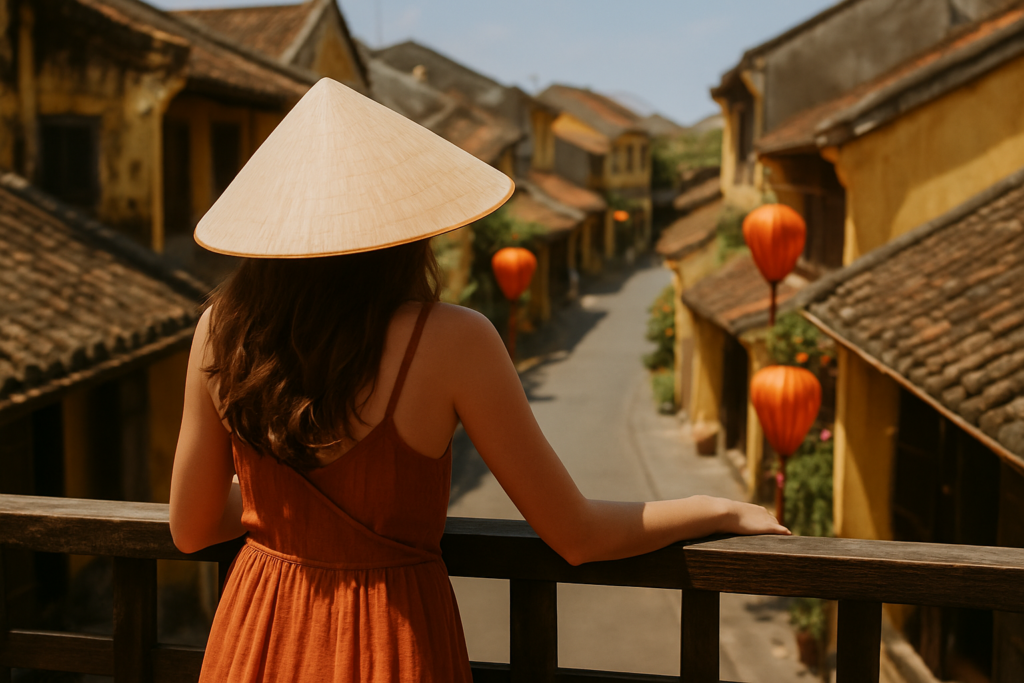
Understanding Hoi An’s Weather Patterns
Hoi An runs on two main seasons dry and rainy and timing your visit around them can make all the difference.
The dry season, from February to August, brings lots of sunshine, low humidity, and a reliable rhythm for outdoor adventures. It’s the golden window for wandering the lantern lit alleys, cycling through rice paddies, or cruising the Thu Bồn River. Markets buzz with activity in the morning, and street food stalls stay open late into warm evenings. Festivals like the Full Moon Lantern Festival shine brightest when skies are clear. If you’re aiming for that picture perfect trip, March to May hits the sweet spot: not too hot, not too crowded.
Then comes the rainy season, from September to January. Expect heavy but often short lived downpours, with peak rainfall in October and November. The upside? Fewer tourists, quieter streets, and lush, photogenic landscapes. But flooding can happen especially in the Old Town so flexibility is key. Some festivals still roll on, but markets may have limited hours and outdoor events shift inside or take breaks altogether.
Bottom line: if you’re chasing culture, good food, and laid back exploring, aim for spring or early summer. But if you don’t mind a little rain in exchange for solitude and a slower vibe, the off season has its own quiet charm.
Cultural Events That Shape the Experience
Hoi An’s charm doesn’t end with its ancient architecture and lantern lit nights key cultural festivals define its soul. Planning your visit around these local events can turn a great trip into an unforgettable one.
Full Moon Lantern Festival: Magic on the River
Held monthly on the night of the full moon, this festival transforms Hoi An’s Old Town. Electric lights are turned off, and thousands of glowing lanterns float on the Thu Bồn River, creating an ethereal atmosphere.
Happens every lunar month on the 14th day
Streets fill with traditional games, music, and performances
A serene yet lively celebration of light, wishes, and community
Tết (Vietnamese New Year): Traditions in Full Bloom
This is Vietnam’s most important holiday and a time of rich customs. Visiting during Tết means immersion in local family rituals, ancestral offerings, and festive markets.
Usually occurs in late January or early February
Expect colorful decorations, firecrackers, and traditional foods
Many shops may close briefly for the holiday, but the experience is worth the trade off
Mid Autumn Festival: Family Centric and Visually Stunning
Falling in September or October, the Mid Autumn Festival brings children’s parades, mooncakes, and elaborate lanterns.
Celebrated on the 15th day of the 8th lunar month
Features lion dances, star shaped lanterns, and community gatherings
A deeply joyous and visually rich time to explore Hoi An
Elevate Your Journey with Festival Timing
Planning your visit to align with one of these festivals can:
Deepen your understanding of local traditions
Provide access to once a month or once a year experiences
Create more meaningful travel memories through participation, not just observation
Festival aligned travel adds rhythm and resonance to your Hoi An adventure don’t miss out on the town’s most beautiful and cultural expressions.
Peak Time vs Off Season: Pros and Cons
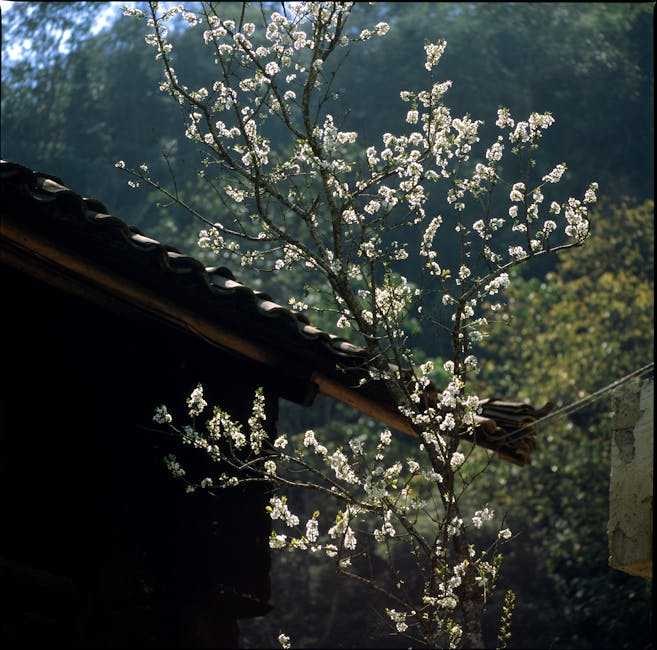
Hoi An is a year round destination, but timing your visit can dramatically shape your experience. From sun soaked festivals to quiet alleyway strolls, each season offers something unique.
January to March: Dry, Festive, and Lively
This is Hoi An’s most popular travel window and for good reason. Expect sunny skies, mild temperatures, and a packed calendar of cultural delights.
Weather: Pleasantly warm and dry, ideal for walking and biking
Atmosphere: High energy with lots of travelers, especially around Tết (Vietnamese New Year)
Highlights: Full Moon Lantern Festival in crisp evening air, vibrant street food scenes, and bustling markets
Tip: Book accommodations and tours well in advance. Spots fill quickly during this high demand period.
October to December: Underrated Calm and Cultural Richness
If you prefer finding beauty without the buzz, late year travel is your sweet spot. While this marks the tail end of the rainy season, Hoi An’s charm still shines through with fewer crowds and lush post rain landscapes.
Crowds: Noticeably less tourist traffic, making for quieter, more intimate experiences
Cultural Access: Local artisans, chefs, and guides are more available and less rushed
Weather Watch: Occasional rain showers pack a poncho, but don’t let it deter you
Why it’s worth it: You can still catch lantern festivals and seasonal food events with elbow room to spare.
Striking a Balance: Visit During the Shoulder Seasons
The shoulder seasons April to May and September offer a near perfect blend of good weather and manageable tourist numbers. Think of them as Hoi An’s sweet spots.
Best of both: Warm, dry days with fewer crowds than peak season
Pricing: More competitive rates on lodging and experiences
Flexibility: Easier to enjoy street food, tailor shops, and river tours without stress
Planning around these transitional months often rewards travelers with the most complete Hoi An experience comfort, culture, and connection, all at once.
Insider Travel Hacks
Planning a culturally rich visit to Hoi An takes more than just picking dates. Small adjustments to your daily routine and a little strategic thinking can elevate the entire experience.
Book Early During Festivals
Festival periods like the Full Moon Lantern Festival or Tết attract travelers from across the globe. Accommodations fill up fast, particularly in and around the Old Town.
Reserve hotels or homestays 2 3 months in advance if visiting during known events
Look for lodging slightly outside the main tourist zone for better availability and pricing
Don’t forget to confirm cancellation policies weather can shift plans!
Morning Magic in the Old Town
Hoi An’s Old Town is most atmospheric in the early morning, before crowds and heat settle in.
Arrive before 8 AM to enjoy quieter streets and golden light for photography
Mingle with locals starting their day at market stalls and cafés
Capture the authentic rhythm of daily life, minus the tourist throngs
Weather Savvy Scheduling
Hoi An’s tropical climate can be unpredictable. Timing your itinerary thoughtfully can keep you dry and comfortable.
Avoid midday heat (especially April to August) by exploring in the morning or late afternoon
In rainy months (September to November), focus on indoor activities like lantern workshops or food tours
Schedule key sights on days with more stable weather forecasts
For more in depth planning, especially for packing, timing, and event calendars, dig deeper with Hoi An seasonal tips.
Final Notes on Planning Smart
Hoi An isn’t a place to hit with a checklist. It’s a place to feel. So first decide what you’re looking for. Crave cultural energy? Time your visit with full moon festivals or local holidays. Want slow mornings and quiet lantern lit streets? The off season has its own magic. Community vibe shines in between, when markets hum but the crowds haven’t surged.
Go in with a loose plan but leave it loose. This town rewards wanderers: turn a corner, and you stumble onto incense smoke, impromptu music, an old woman selling the best cao lầu you’ve never heard of. Still, it helps to check official tourism calendars for events or cultural programs that might line up with your travel dates. Things shift quickly.
Finally, don’t cram your days. Give yourself time to get lost in side streets, sit by the river, and soak up the yellow glow. Hoi An tells its story slowly you just have to be there to hear it.
Useful Extras
Hoi An’s charm lives in the little things custom tailored clothes, lantern lit alleyways, hand painted ceramics. If you’re coming for bespoke shopping or artisan finds, the sweet spot is February through April. The weather is dry, festivals add flair, and tailors aren’t backed up with high season orders yet. It’s also cool enough to walk from Old Town to the market stalls without racing for shade every ten minutes.
Photography lovers should aim for either early spring or late autumn March and November are especially kind to light chasers. During these months, the humidity drops just enough to clear the haze, and golden hour hits just right on the Thu Bồn River and lamplit alleys. Morning mist gives the town a soft focus glow if you’re shooting before 8 a.m.; evenings after 4:30 p.m. offer that warm, cinematic hue.
Want to go deeper into seasonal secrets? Check out Hoi An seasonal tips.
 Eva Mander-Jones has been a key contributor to Drip Travels Hide, bringing her expertise in travel research and content curation to the platform. Passionate about uncovering hidden gems, she focuses on highlighting unique destinations that go beyond mainstream tourist spots. Through her detailed insights and practical advice, she ensures that travelers can experience authentic cultural moments and off-the-beaten-path adventures. Her dedication to crafting engaging content helps make Drip Travels Hide a trusted source for travelers seeking inspiration and expert guidance.