
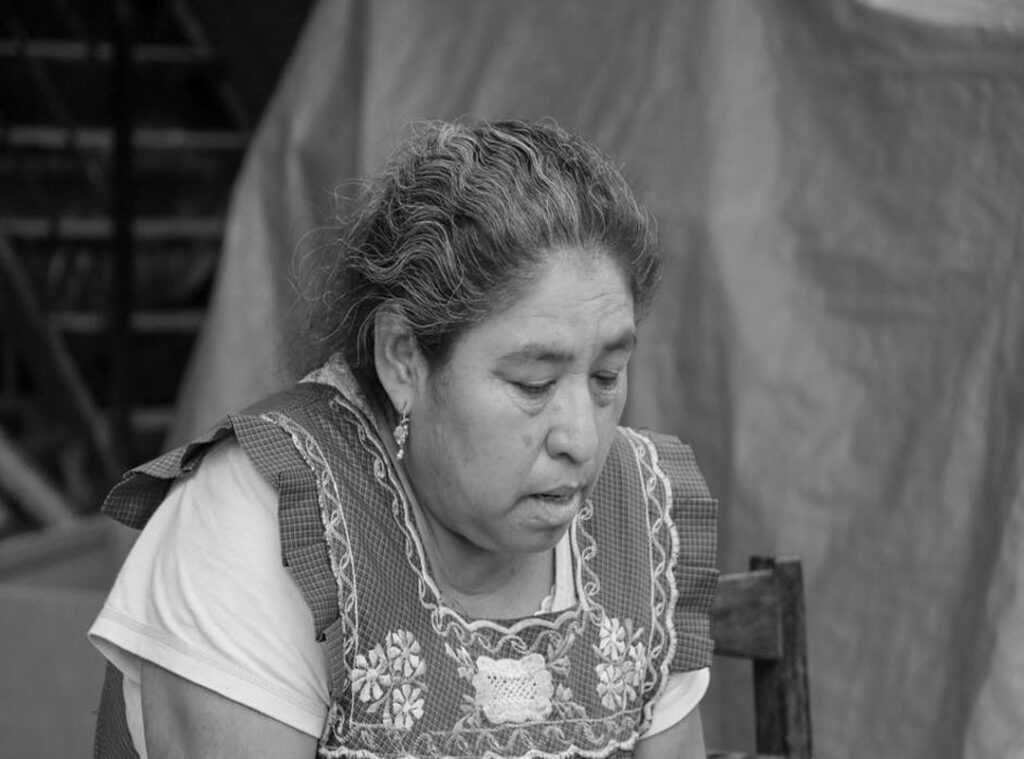
I’ve always been fascinated by the power of images. They can shape our perceptions and influence how we see the world. And when it comes to poto de persona mujeres, it’s even more impactful.
Do you ever stop to think about the images you see every day? How they make you feel? The truth is, the way women are portrayed in art and media can have a profound effect.
Sometimes, it’s not just about the beauty or the artistry. It’s about the message and the representation. When we don’t see a diverse range of women, it can lead to stereotypes and narrow views.
This article aims to give you a detailed look at the latest trends, issues, and best practices in the use of women’s imagery. We’ll dive into the good, the bad, and the ugly.
So, let’s get started.
The Evolution of Women’s Imagery in Art
Women have been depicted in art for centuries, but the way they are portrayed has changed dramatically. Ancient times often showed women as goddesses or symbols of fertility.
- Renaissance: Women were idealized and often depicted in religious or mythological scenes.
- Impressionism: This movement brought a more natural and everyday depiction of women, showing them in their daily lives.
- Modernism: Artists began to challenge traditional roles, portraying women with more complexity and individuality.
Contemporary trends in modern and contemporary art focus on increasing diversity and empowerment. Today, poto de persona mujeres and other forms of imagery highlight a wide range of experiences and identities. Artists now aim to represent women in all their varied and powerful forms.
If you’re interested in this topic, I recommend visiting local art galleries and museums. Look for exhibitions that focus on female artists or themes of women’s empowerment. You might also consider reading books and articles about the history of women in art.
It’s a fascinating journey that can change how you see the world.
Women’s Imagery in Media and Advertising
When you flip through a magazine or watch a TV show, do you ever stop to think about how women are portrayed? It’s not just about the visuals; it’s about the stories and roles they play.
In television, women often end up in stereotypical roles—think the overworked mom or the sexy sidekick. Films, too, have a long way to go. How many times have you seen a female character whose only purpose is to support the male lead?
Print publications can be even more problematic. The glossy pages of fashion magazines often present an unattainable ideal of beauty. This can make real women feel like they don’t measure up.
Advertising plays a huge role in shaping these perceptions. Advertisers have the power to either reinforce stereotypes or challenge them. Thankfully, there’s been a push for more positive and realistic representations.
Brands are starting to realize that authenticity resonates with consumers.
Take, for example, Dove’s “Real Beauty” campaign. They featured women of all shapes, sizes, and ages. It was a breath of fresh air.
The campaign sparked conversations and changed the way many people thought about beauty.
Another standout is Nike’s “Dream Crazier” ad. It celebrated female athletes who defy expectations. These campaigns not only boost brand loyalty but also empower women.
We need more of this. More poto de persona mujeres that reflect the diverse and complex lives of real women. When we see ourselves in the media, it makes a difference.
Diversity and Inclusion in Women’s Imagery
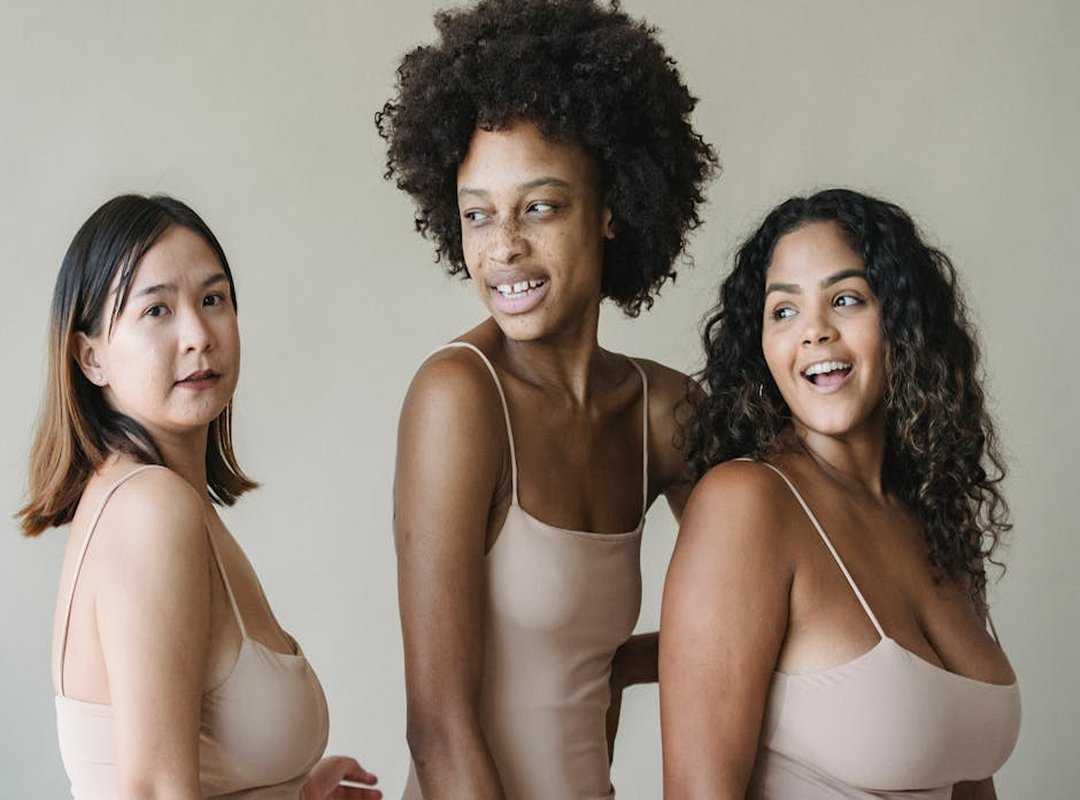
It’s crucial to represent a wide range of women in terms of age, race, body type, and background. Why? Because every woman deserves to see herself reflected in the media.
When we only see one type of woman, it limits our understanding of beauty and worth. That’s not just unfair; it’s harmful.
But achieving diversity and inclusion in imagery isn’t easy. There are systemic barriers that need to be addressed. For example, many companies still rely on narrow beauty standards.
This makes it hard for diverse images to break through.
We also face challenges like unconscious bias and lack of representation behind the scenes. When the people making decisions don’t reflect the diversity we want to see, it’s tough to make real change.
Despite these challenges, there are success stories. Organizations like poto de persona mujeres and others are making significant strides. They’re promoting diverse and inclusive imagery, showing that it’s possible to challenge the status quo.
One way to support this movement is by engaging with content that celebrates diversity. For instance, if you’re into travel, check out resources that highlight diverse experiences. (Think about how a detailed guide to water sports in Cancun can showcase a variety of people enjoying the same activities.)
By supporting and sharing such content, we can all play a part in making the world of imagery more inclusive.
Empowerment and Positive Representation
I remember the first time I saw a photo that truly inspired me. It was an image of a woman standing on a mountain peak, arms outstretched, with a look of pure joy on her face. That image made me feel like I could conquer anything.
Empowering imagery is more than just pretty pictures. It’s about celebrating women’s achievements, strengths, and individuality. When we see images that reflect our potential, it can change how we see ourselves.
Role models in imagery are crucial. They show us what’s possible. Think about the impact of seeing a woman leading a board meeting or a young girl coding.
These images can inspire and influence others to pursue their dreams.
Poto de persona mujeres can be a powerful tool. They remind us that every woman has a unique story and strength. We need to see more of these images in our daily lives.
When I was younger, I struggled to find role models who looked like me. But as I grew older, I started to see more diverse and empowering images. It made a huge difference in my confidence and aspirations.
We need to keep pushing for more positive representation. It’s not just about feeling good; it’s about creating a world where every woman feels seen and valued.
The Future of Women’s Imagery
The evolution of women’s imagery has seen significant shifts, moving from narrow and stereotypical representations to more diverse and empowering portrayals. poto de persona mujeres now reflect a broader range of identities, experiences, and roles. This change is crucial for promoting inclusivity and challenging traditional gender norms. Continued efforts are essential to ensure that all forms of imagery represent women in a way that is both positive and realistic.
By supporting and advocating for these representations, we can contribute to a more equitable and just society.
 Eva Mander-Jones has been a key contributor to Drip Travels Hide, bringing her expertise in travel research and content curation to the platform. Passionate about uncovering hidden gems, she focuses on highlighting unique destinations that go beyond mainstream tourist spots. Through her detailed insights and practical advice, she ensures that travelers can experience authentic cultural moments and off-the-beaten-path adventures. Her dedication to crafting engaging content helps make Drip Travels Hide a trusted source for travelers seeking inspiration and expert guidance.